
1,36,326 booths put the panchayat poll machinery on the map
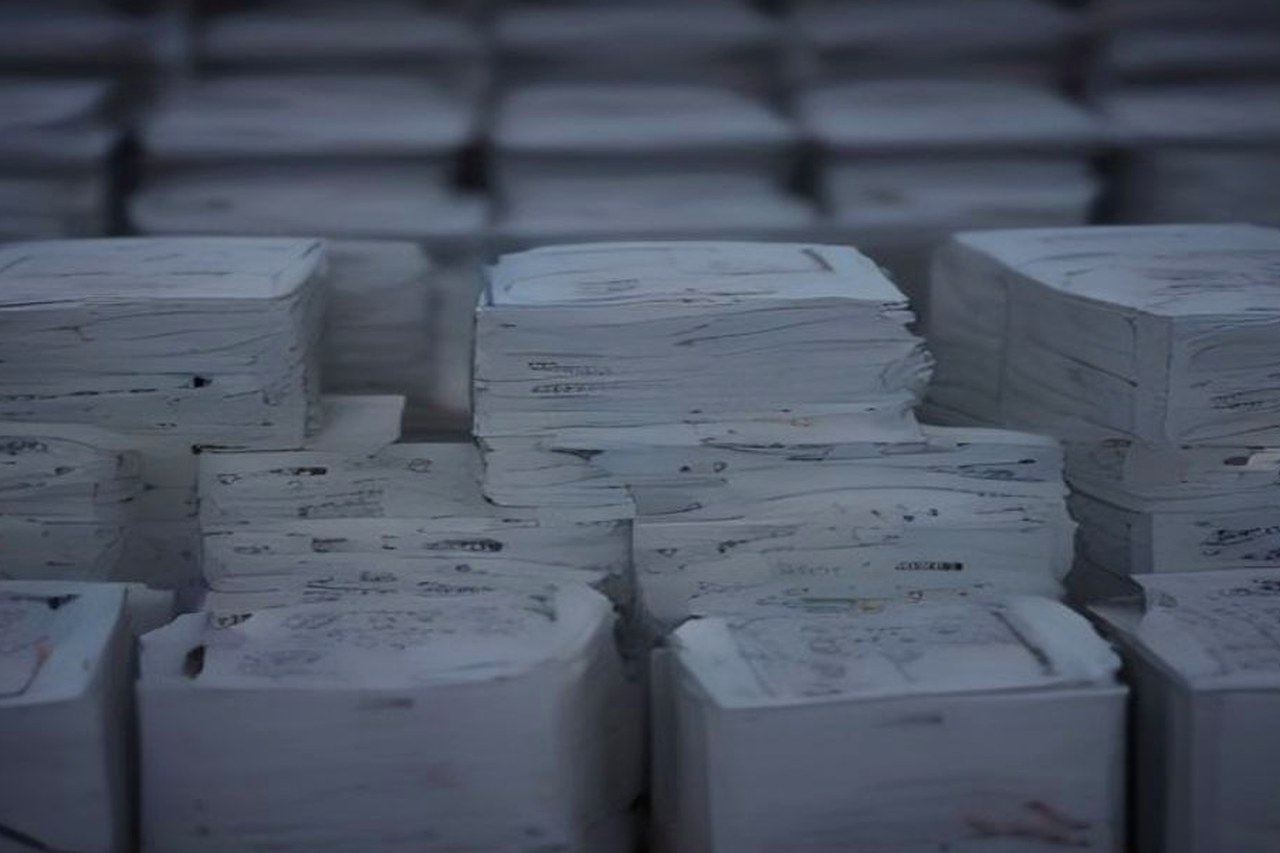
Andhra Pradesh’s preparations for gram panchayat elections moved into a concrete administrative phase with the State Election Commission finalising 1,36,326 polling stations covering 13,278 gram panchayats. The update published on September 1 does not itself announce a polling date; it establishes the booth network on which the eventual election will be conducted.
According to the Commission’s account, a circular on finalisation and publication of polling stations was issued on August 12. Mandal Parishad Development Officers published proposed polling-station details on August 23, after which objections were received up to August 26. Suggestions and objections were considered before district collectors and district election officers approved the lists. The final polling-station lists were published on August 31.
That sequence matters because polling-station finalisation is more than a count of buildings. It determines where voters assigned to gram panchayats will cast ballots and gives election officials a fixed base for subsequent logistics. The list becomes a reference point for district machinery as it works through staffing, material movement, accessibility, security and voter information closer to polling.
The Commission’s announcement comes while local-body election preparations are receiving heightened political attention. But the booth list should not be read as a substitute for a notified election schedule. The September 1 material establishes completion of the polling-station exercise; it does not provide a polling date in the reports reviewed for this cutting.
The scale is substantial. More than 1.36 lakh polling stations spread across 13,278 gram panchayats will require implementation by district and mandal administrations. The earlier objection window also means local concerns about proposed booth locations had a formal route before the lists were finalised.
For voters, the practical significance will become clearer when the election programme advances and booth information is tied to electoral rolls and the notified schedule. For parties and candidates, the final lists provide the physical map around which booth organisation can be planned. For the Commission, completing this stage removes one major preparatory task from the checklist.
The next decisive step is therefore not another estimate of booth numbers but the formal election timetable and associated statutory notifications. Until those are issued, the confirmed development is the finalisation of the polling-station network itself, after publication, objections and district-level approval. The final list also gives administrators a common baseline for checking whether proposed premises are usable and whether changes made after objections have been incorporated correctly. That groundwork becomes especially important in a statewide rural election, where small errors in booth mapping can affect voter access and election-day movement.


















Comments