
Fields were prepared for canal water. The water did not arrive.

A widening irrigation problem along the Kurnool-Cuddapah Canal has left farmers in Kurnool, Nandyal and YSR Kadapa districts facing a difficult choice: wait for water after already investing in the season, or absorb losses on fields and paddy nurseries prepared in anticipation of canal supply. Reports published late on September 1 describe large stretches of the KC Canal ayacut as still short of irrigation water amid inadequate rainfall.
The direct ayacut covers about 2.65 lakh acres across the three Rayalaseema districts. The system also has an indirect role farther downstream, supporting about 1.76 lakh acres in SPSR Nellore and Chittoor districts through the Penna, Somasila and Kandaleru systems. The canal’s stated entitlement is 31.90 TMC, but farmers said water had not reached substantial parts of the command this season.
The timing magnifies the damage. Farmers in several areas had already prepared land, purchased seed and raised paddy nurseries on the expectation that irrigation would follow. Once those expenses are incurred, a delayed release is not a neutral administrative event. Seedlings age, transplanting windows narrow and the cost of trying to protect a crop rises.
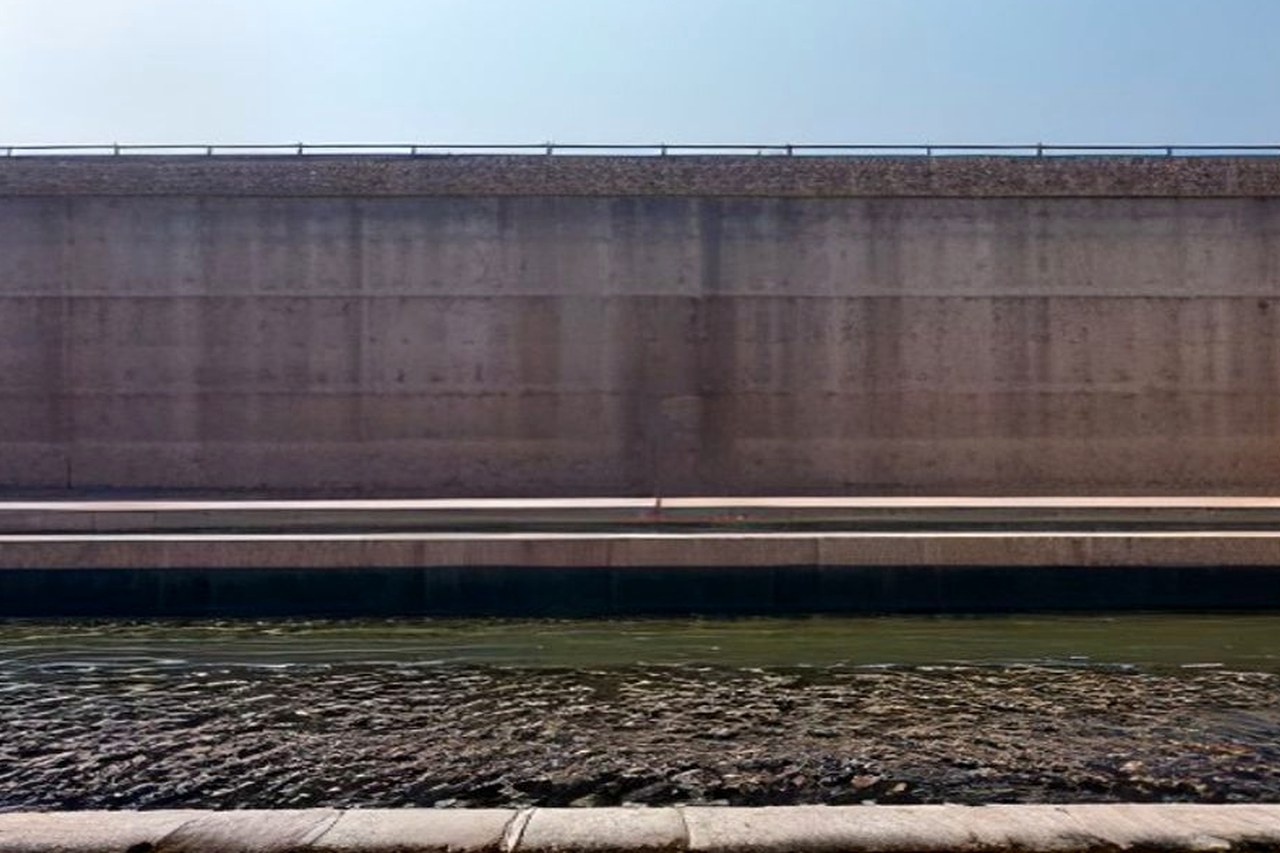
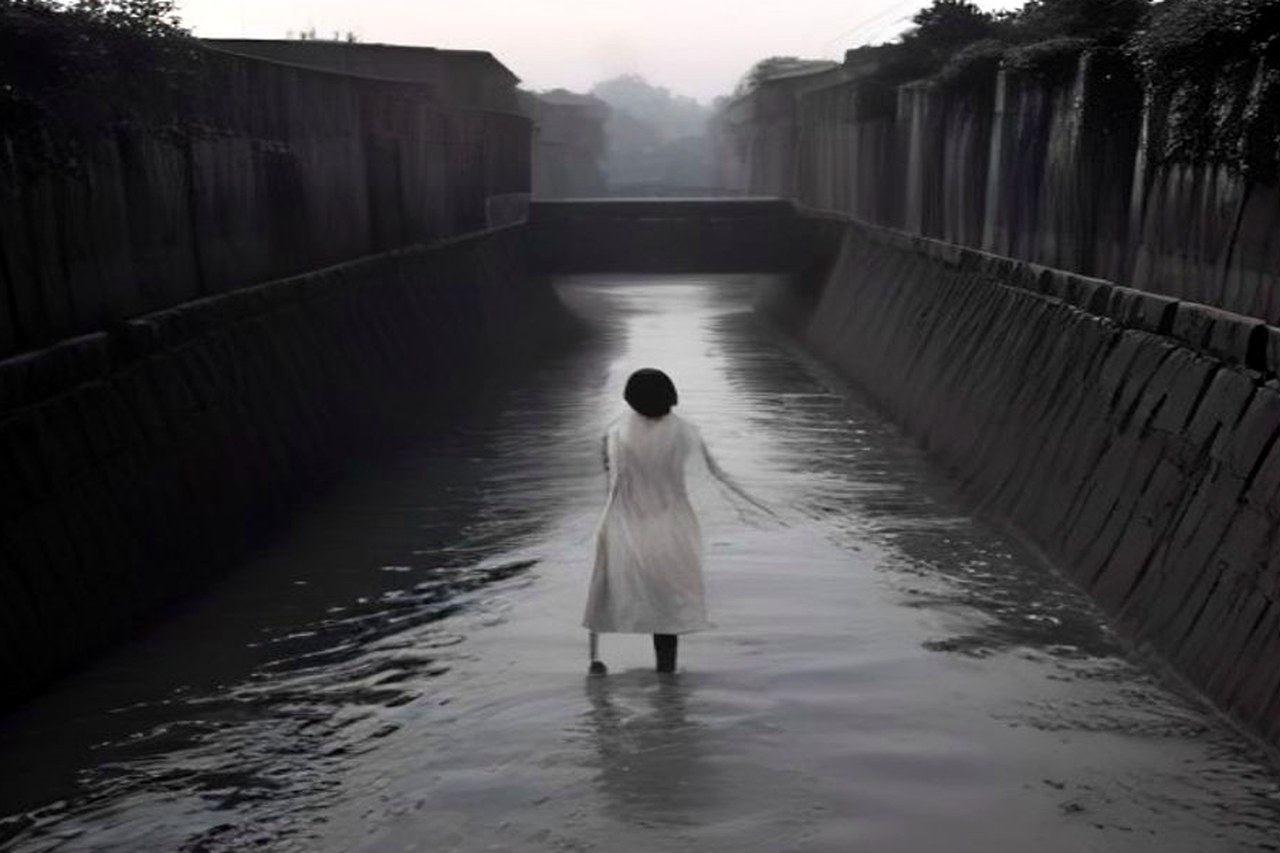
The dispute has also moved from complaint to protest. In Kurnool, farmers entered a dry stretch of the KC Canal in a symbolic demonstration demanding release of water from the Muchumarri Lift Irrigation Scheme. Their argument was that with water available in the broader Srisailam system, the KC Canal command should receive a dependable release before standing crops and nurseries are lost.
The crisis is not uniform across every village, and the available reports do not establish that all 2.65 lakh direct-ayacut acres are dry. What they establish is a serious distribution problem affecting farmers across multiple districts. That distinction matters because the immediate question is not only reservoir storage but whether allocated water is being moved through the system in time and in sufficient quantity.
For the administration, the test is operational. Farmers need a clear release schedule, realistic information on which reaches can be served, and contingency guidance where irrigation cannot be assured. Without that, cultivators carry the risk of decisions made on an expectation of water that may arrive too late.
The KC Canal story is therefore both an irrigation issue and an accountability issue: when sowing decisions depend on public water systems, timing is part of the supply. The reports also show why aggregate storage figures alone can mislead farmers. Water in a reservoir does not automatically become water at a field outlet. Releases, canal capacity, sequencing and tail-end delivery determine whether a cultivator can actually use the resource during the crop window.











Comments