
No excuse, the Chief Justice said. Then he named a panel.
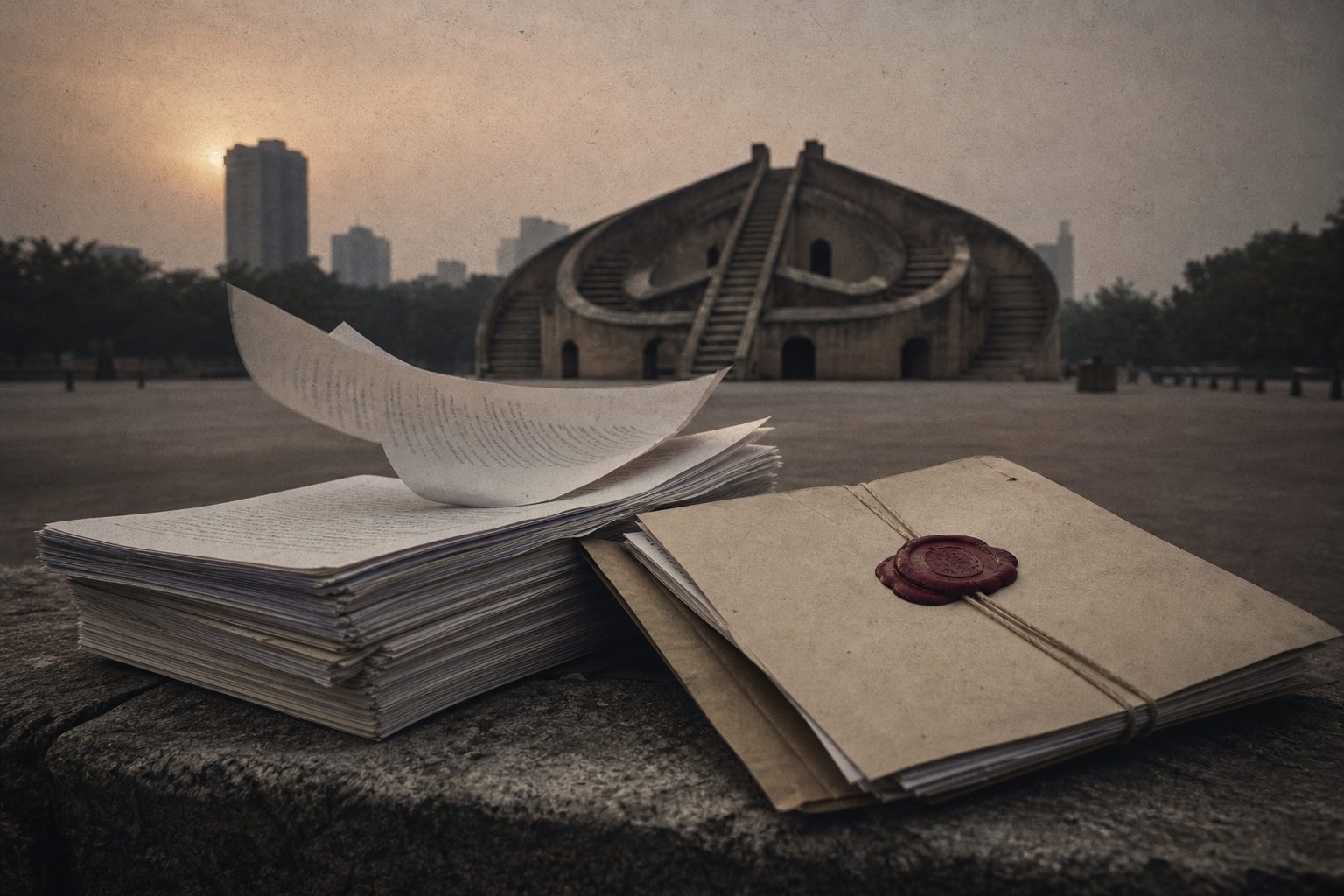
The Supreme Court has put a name on the stick. A five-member panel, headed by former judge R. Subhash Reddy, will examine the alleged use of force by police on students who gathered last month at Jantar Mantar and then tried to walk toward Parliament.
The bench that named the panel sat under Chief Justice of India Surya Kant, with Justices Joymalya Bagchi and V. Mohana. The Chief Justice’s sentence was not a slogan. “Whosoever is responsible, there can be no excuse and no justification. It must be taken seriously and taken to its logical conclusion.” That is the brief. Not a press conference. A fact-finding file.
The agitation began at Jantar Mantar on 20 June. It was led by the Cockroach Janta Party and spread to other cities. The demand that travelled farthest was the resignation of Union Education Minister Dharmendra Pradhan after a season of leaked competitive examinations, including NEET. On 20 July a march toward Parliament turned into a clash. Police used lathis and tear gas on people who tried to cross the barricade. The stir was called off on 25 July after the minister resigned and the government said it would accept the other listed demands. The bruises did not resign with him.
What the panel has been asked to do is factual, not constitutional. It will look at whether the force used that day was lawful and proportionate. It will look at violence against police personnel as well as violence against students. It will hear complaints of sexual assault, of molestation, of online harassment of women protesters, and of the targeting of other vulnerable people on social media. Video and CCTV of the 20 July march are to be handed over. Victims who approach the committee, the bench said, are to be given an immediate audience. Necessary legal consequences are to follow the recommendations.
The larger questions stay with the court. Facial recognition, surveillance, the storage of protest data with a private entity, and the reach of Article 21 will not be decided by a retired judge’s committee. Senior counsel for several victims told the bench that the police had no authority to run those tools on a crowd. The Solicitor General said the system did not scan everyone present; it flagged people already on National Crime Records Bureau lists for serious offences. That argument is for the court, not for the panel.
The same hearing put the criminal cases on the table. The bench asked for a list of first information reports against student protesters that could be quashed under Article 142. “It is the life of students, which is at stake,” the court said. They have a future. They have a right to protest under Article 19. A counsel who wanted an apology first was told that the right is not a bargain. The Solicitor General’s counter-number was more than 2,800 people he called anti-social elements with older heinous cases, whom the police say drove the violence. A crowd is not a conspiracy. A past case is not a licence to break a skull. Both sentences can be true. The panel has to sort which act belongs to which person.
The court had already said, in an earlier sitting, that a lathi charge is not justified merely because there is an agitation, and that peaceful protest is absolutely guaranteed. That line is why a former Supreme Court judge now chairs a room that will watch the same CCTV the police already have. The panel is to include retired judges and senior retired police officers. Consent had been taken from a former CBI director and a former director-general from a state unconnected with the march. The formal constitution followed suggestions from the parties.
An artist’s eye, counsel told the bench, was injured in the alleged use of pellet guns. Two protesters were hurt. One can no longer earn as he did. That is not a metaphor. It is a person the committee is supposed to hear.
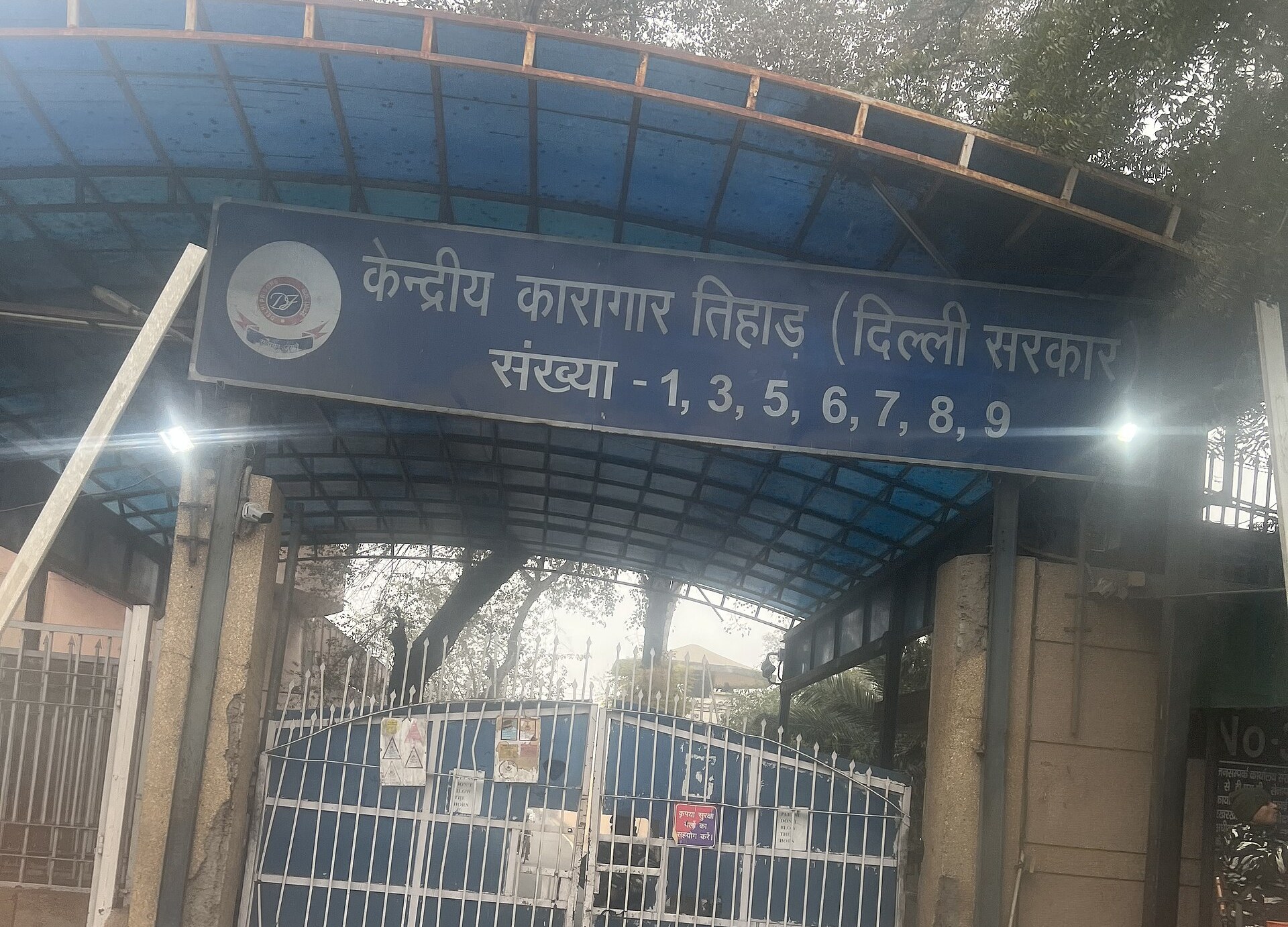
A student protest that ended with a minister’s resignation and a promise not to chase the crowd still produced this file. Noida’s wage workers, the same week, sat in jail for an average of 53 days after their own street. Delhi’s students got a panel. The difference is not virtue. It is a court that decided the stick needed a record. Until Reddy’s committee writes that record, the official story of 20 July is still a police story. The court has said that is not enough.




Comments