
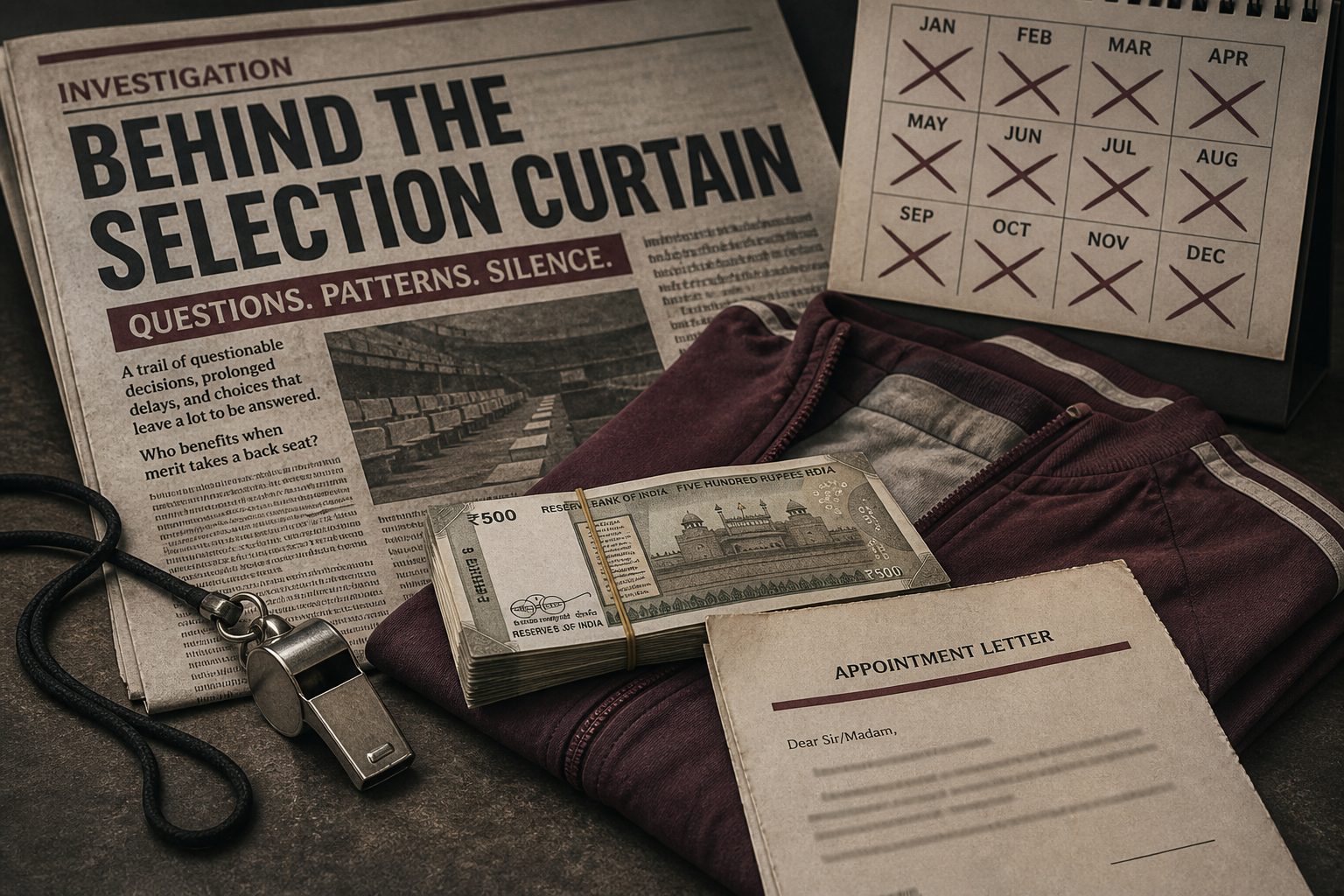
₹10 lakh for the chair. The Collectorate stamp was not the Collector’s.
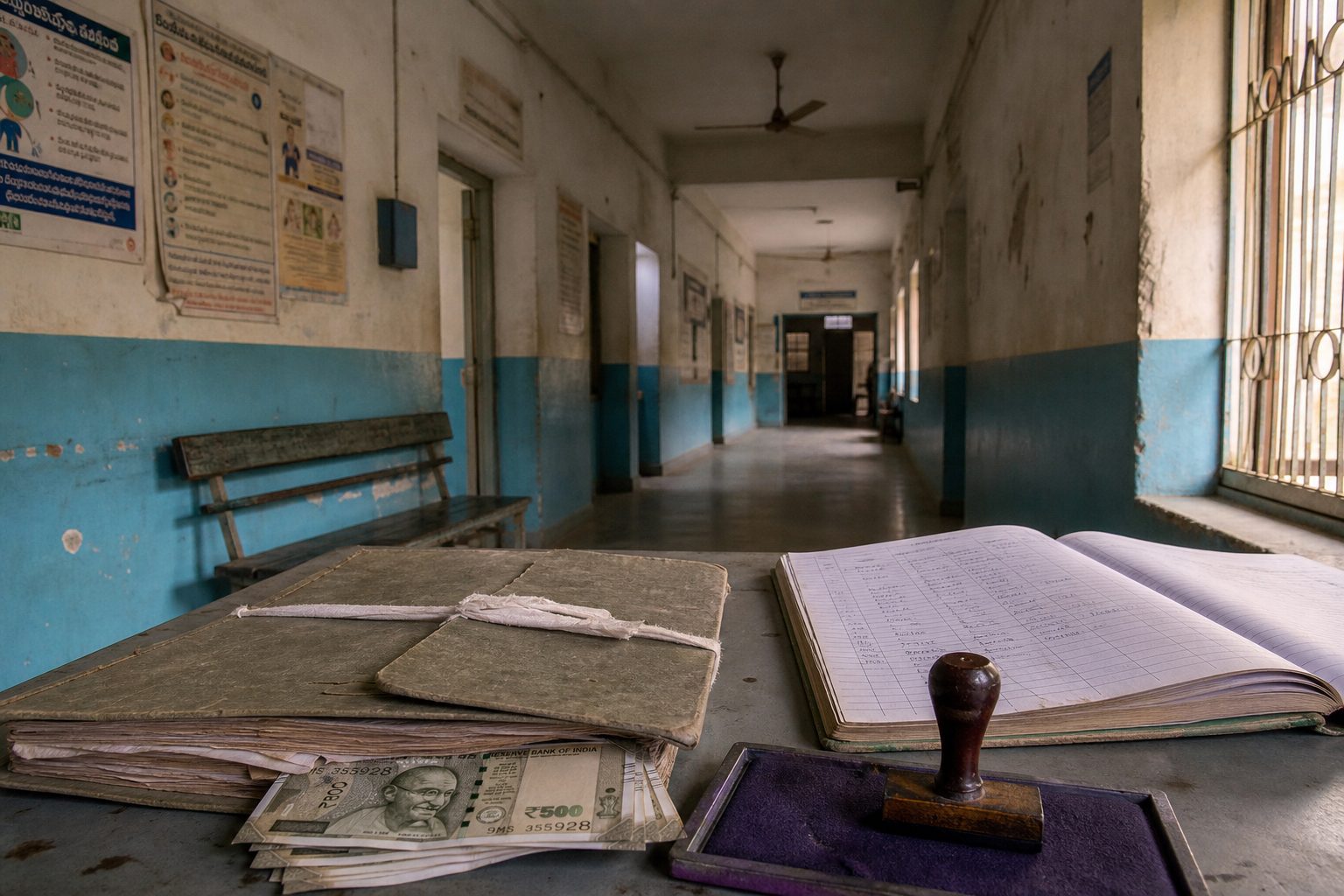
Yemmiganur is a small town in Kurnool district. The government hospital is supposed to be the place a poor patient can walk into without paying. The charge now circulating in the town is that a doctor who sits in that hospital paid ₹10 lakh for a key chair, then ran a private clinic on the side.
The allegations are not a single day’s rumour. Locals say seniors had already pushed the same doctor out of the hospital once. His manner, they say, did not change. People burned an effigy in the street. The clinic stayed. So did the complaints that patients who came to the government ward were being pointed, in one way or another, toward a private room where fees could be collected.
The post at the centre of the talk is the superintendent’s chair. Town gossip says the doctor wanted it. Town gossip also says a woman who had held that chair was squeezed with internal complaints until she was moved. Nobody in the tip names her. Nobody names the doctor. What is named is the method: pressure from inside the hospital, and an attempt to pull a public representative into the fight. That attempt, people in Yemmiganur say, did not work. When the representative finally looked at the hospital, the games slowed. That is the local reading. It has not been tested in a charge sheet.
What has reached the police is forgery.
A man named Omkar says his signature was used without him. He says papers from a Right to Information application he had filed were attached to a new complaint, and that a Collectorate stamp was copied onto those papers so that higher officers would treat the bundle as genuine. The aim, the allegation goes, was to plant charges on other hospital staff. Relatives of the doctor who work in the Collectorate are said to have helped him pull internal hospital information for the file. Omkar has gone to the police and asked for a case.
If that stamp is fake, it is not a workplace quarrel. It is a document meant to travel up the district. A Collectorate seal is supposed to mean the district has seen the paper. A copied seal means someone wanted the district without the district.
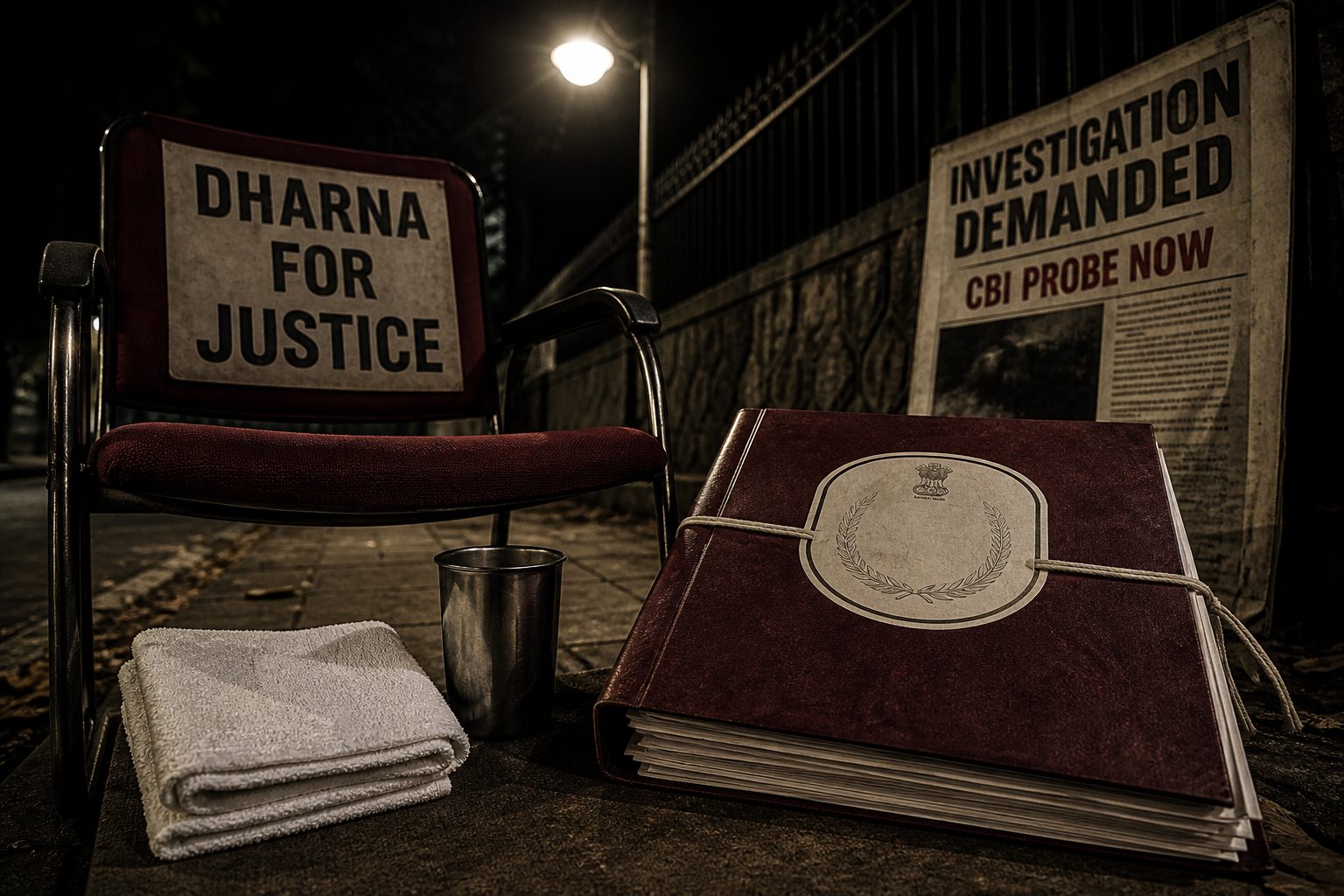
The clinic is the other half of the charge. A government doctor is not supposed to build an illegal private practice in the same town and bill the same patients. People’s organisations in Yemmiganur say that is what happened: the government chair for cover, the private room for cash. They want surprise inspections. They want the district medical officer to sit with the duty roster, the attendance, and the clinic’s books, and say which hours belonged to the public.
There is a harder question under the noise. A doctor can be in the hospital every day and still not be there for the poor. Locals say they see him. They also say the service does not match the presence. Timekeeping, private practice, and who gets seen first are the three points they want on the enquiry list.
None of this is a conviction. It is a set of allegations with a police complaint attached, an old effigy in the town’s memory, and a demand that the district stop treating a government hospital as a private waiting room. The rupee figure in every version of the story is the same: ₹10 lakh for the chair. The name on the police complaint is Omkar. The town is Yemmiganur. The district is Kurnool.
If the enquiry is real, it will have to answer three things in writing. Was a post bought. Was a Collectorate stamp forged. Are poor patients paying next door for what the government hospital is already funded to give. Until those answers exist, the hospital still opens every morning, and the town still has to walk in.



Comments