
Andhra’s June–August rain deficit widens to about 45 percent
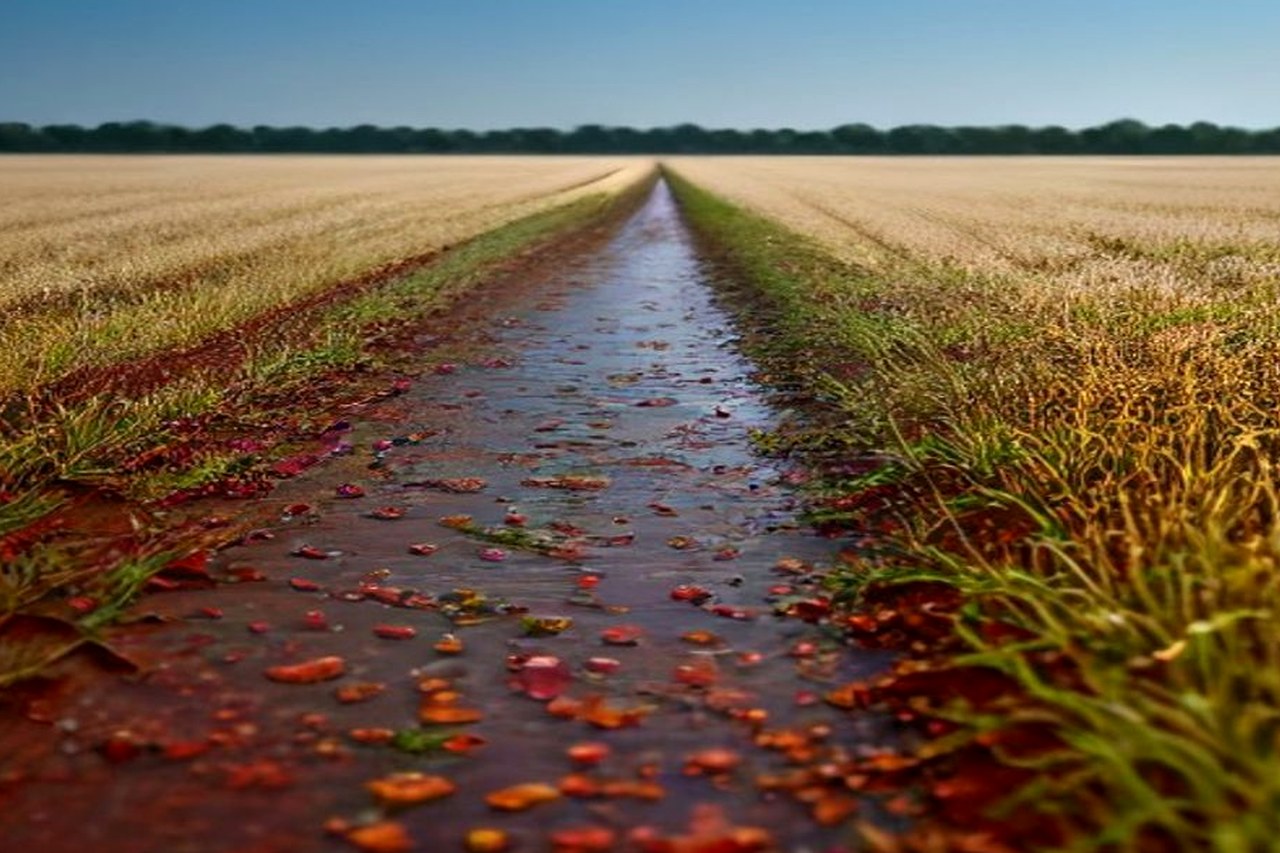
By 31 August 2026 Andhra Pradesh’s southwest monsoon account for June to August had deteriorated into an approximately 45 percent deficit. The state had received 204.3 mm against a normal of 369.5 mm, worsening from a 38 percent deficit at the end of July. India’s nationwide deficit for the same window was about 14 percent, which means Andhra’s shortfall is far steeper than the national average.
Every one of the state’s 28 districts was rainfall-deficient. Twenty-five were classified in deficit, while Annamayya, Prakasam and Bapatla were in severe deficit. The India Meteorological Department’s district table put Annamayya worst at 69 percent shortfall, with Bapatla and Prakasam at 59 percent each. Dr B.R. Konaseema and Anantapur showed the lowest shortfalls among the set at 24 percent — still dry, only less catastrophically so.
The farm ledger is already responding. Kharif sown area stood at 20.35 lakh hectares against 25.63 lakh hectares in the same period last year. August was described as the worst monsoon month of the season, with meteorologists pointing to El Niño as a driver. Farmer B. Ramu Naidu, quoted from north Andhra, said that if rains do not revive, substantial crop losses are likely, including in paddy. Drinking-water stress was also flagged in parallel reporting.
A monsoon deficit of this width is not a single-week inconvenience. It reshapes reservoir planning, power demand for lift irrigation, fodder availability, and the politics of crop-loss compensation. When three districts are already in severe deficit and kharif acreage is down by more than five lakh hectares year-on-year, the risk is not only yield loss but delayed sowing windows that cannot be recovered by a late September shower.
Policy response is not detailed in the tip beyond the meteorological and sowing numbers. This cutting therefore does not invent relief packages, tank-filling schedules, or district-wise crop-insurance payouts. It reports the IMD arithmetic, the district severity ranking, the kharif acreage drop, the El Niño attribution offered by meteorologists, and the farmer warning from north Andhra.
For a state that also inaugurated irrigation assets in the same news cycle, the contrast is uncomfortable and real. New canal gates matter; so does the rain that is supposed to fill the catchments behind them. Until the monsoon revives, Andhra’s fields will read the sky more closely than any plaque unveiled on an irrigation bund. District administrations will now be judged on how quickly they translate rainfall tables into drinking-water tankers, fodder plans and accurate crop-loss surveys. A 45 percent seasonal deficit leaves little room for optimistic press notes. If September does not correct the curve, the kharif shortfall already visible in the 20.35 lakh hectare sowing figure will harden into income loss across paddy and other rain-fed crops.






















Comments