Lokesh unveils Konijeti Rosaiah bronze at Siripuram Circle
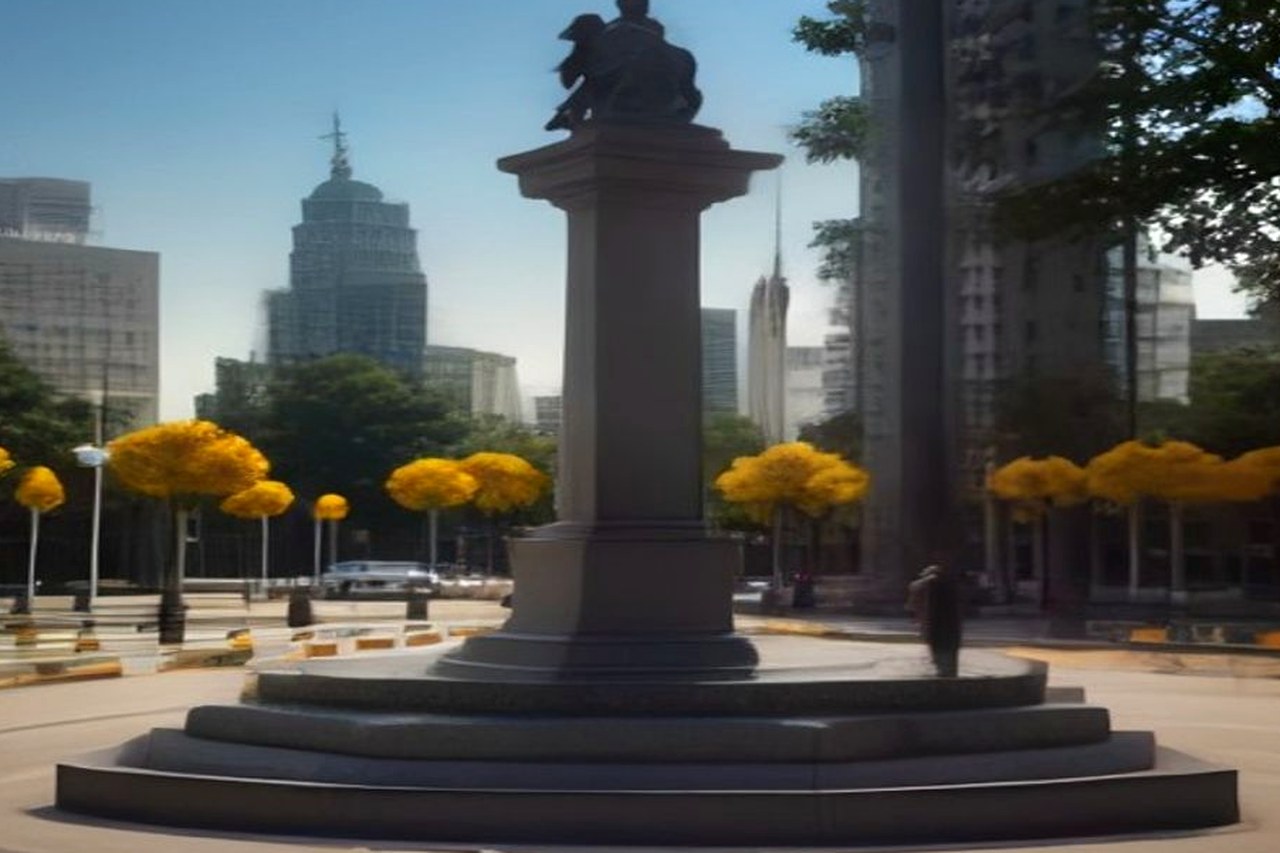
Nara Lokesh unveiled a bronze statue of former undivided Andhra Pradesh chief minister and former Tamil Nadu governor Konijeti Rosaiah at Siripuram Circle in Visakhapatnam on Monday, 31 August 2026. The installation was associated with the Arya Vysya community. The proposed name, Statue of a Statesman, was consciously set beside the memory of Potti Sriramulu’s Statue of Sacrifice in Amaravati, with government land and community funds following a Yuva Galam demand.
Lokesh’s tribute language was institutional rather than familial. He called Rosaiah an embodiment of political values, honesty and discipline — a political school who rose without a political family as a disciple of Acharya N.G. Ranga. He recalled Rosaiah calming Assembly clashes between N. Chandrababu Naidu and Y.S. Rajasekhara Reddy, a memory offered as evidence of a conciliatory parliamentary temperament.
Beyond the unveiling, Lokesh asked Arya Vysya elders to identify land for a Rosaiah museum within eighteen months, to be dedicated through Chief Minister N. Chandrababu Naidu. He said he would work to place a chapter on Rosaiah in the school curriculum and to prepare books and videos for youth. Those are forward promises; Monday’s completed act is the bronze at Siripuram.
Family members present included Paida Krishna Prasad, Paida Ramadevi, Paida Maurya, Konijeti Sivasubba Rao and K.S.N. Murthy. Industries Minister T.G. Bharath Gupta recalled Rosaiah inducting his father T.G. Venkatesh into the Cabinet and asked Lokesh for Arya Vysya representation on the Tirumala Tirupati Devasthanams Trust Board. Also listed were MP M. Sribharat, MLA Palla Srinivasa Rao and Andhra Pradesh Arya Vysya Corporation chairman Dundhi Rakesh.
Public statues succeed or fail on whether the next generation learns the biography behind the bronze. Lokesh’s curriculum and museum ask is an attempt to stop Siripuram from becoming only a traffic-circle landmark. This cutting records the unveiling, the naming intent, the eighteen-month museum land request, the family meeting, and the TTD representation ask — without inventing a museum site that has not yet been identified. Rosaiah’s public memory in Andhra–Telugu politics rests on administrative sobriety and a career that crossed Assembly leadership, chief ministership of undivided Andhra Pradesh, and a governorship in Tamil Nadu. A bronze at Siripuram can either teach that arc or become another unnamed landmark. The eighteen-month museum-land request and the curriculum promise are the accountability hooks. If both slip quietly, the statue will still stand, but the “political school” Lokesh described will not reach classrooms. Community-funded memorials succeed when upkeep and interpretation budgets are ring-fenced after the unveil; Siripuram will need that quieter work next.


Comments