
Tirumala begins Varuna yagam as Andhra prays for rain
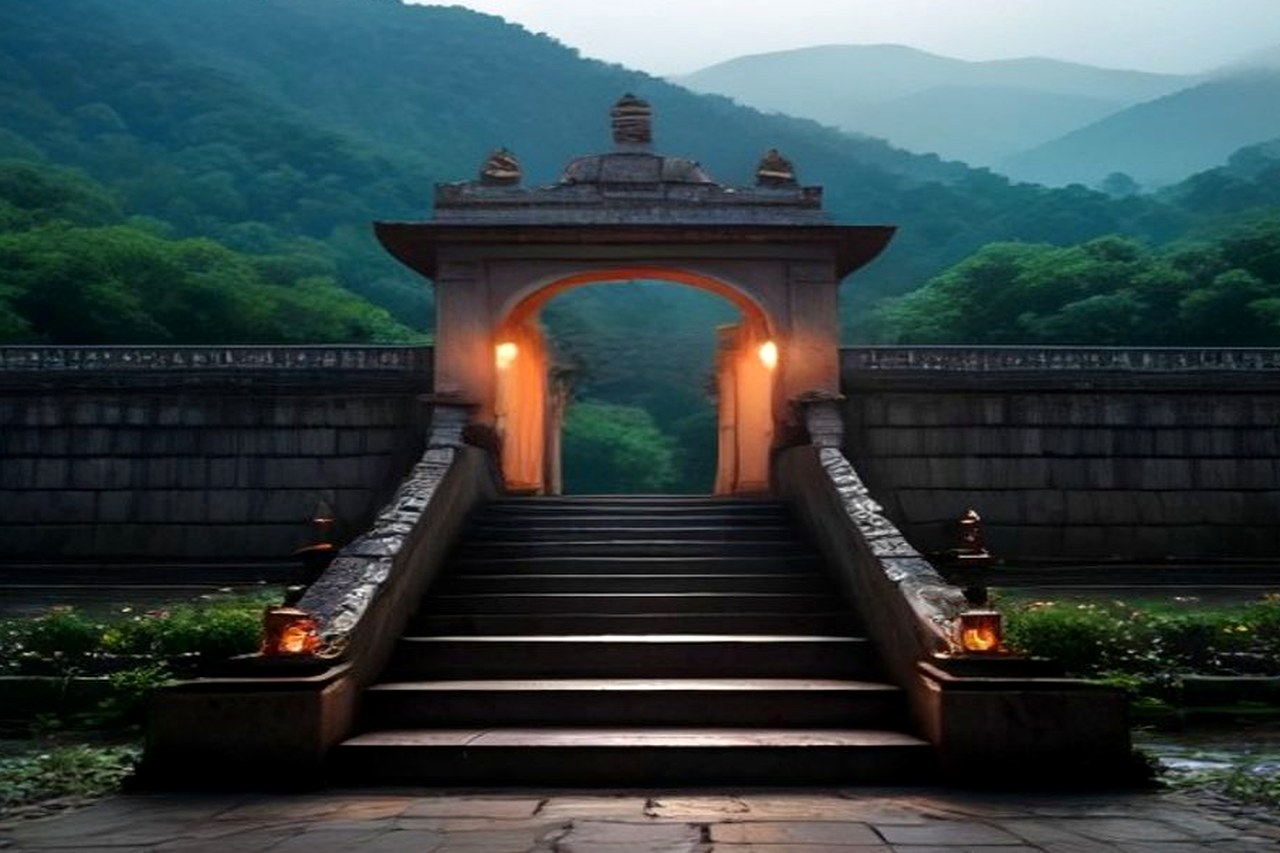
Kareeristi–Varunajapa–Parjanya Shanti yagam began on Monday, 31 August 2026, at the Dharmagiri Veda Vignana Peetham in Tirumala, seeking timely rains while Andhra Pradesh sits in a deep southwest-monsoon deficit. Peetham principal K.S.S. Avadhani said thirty-two ritwiks were conducting morning, afternoon and evening sessions.
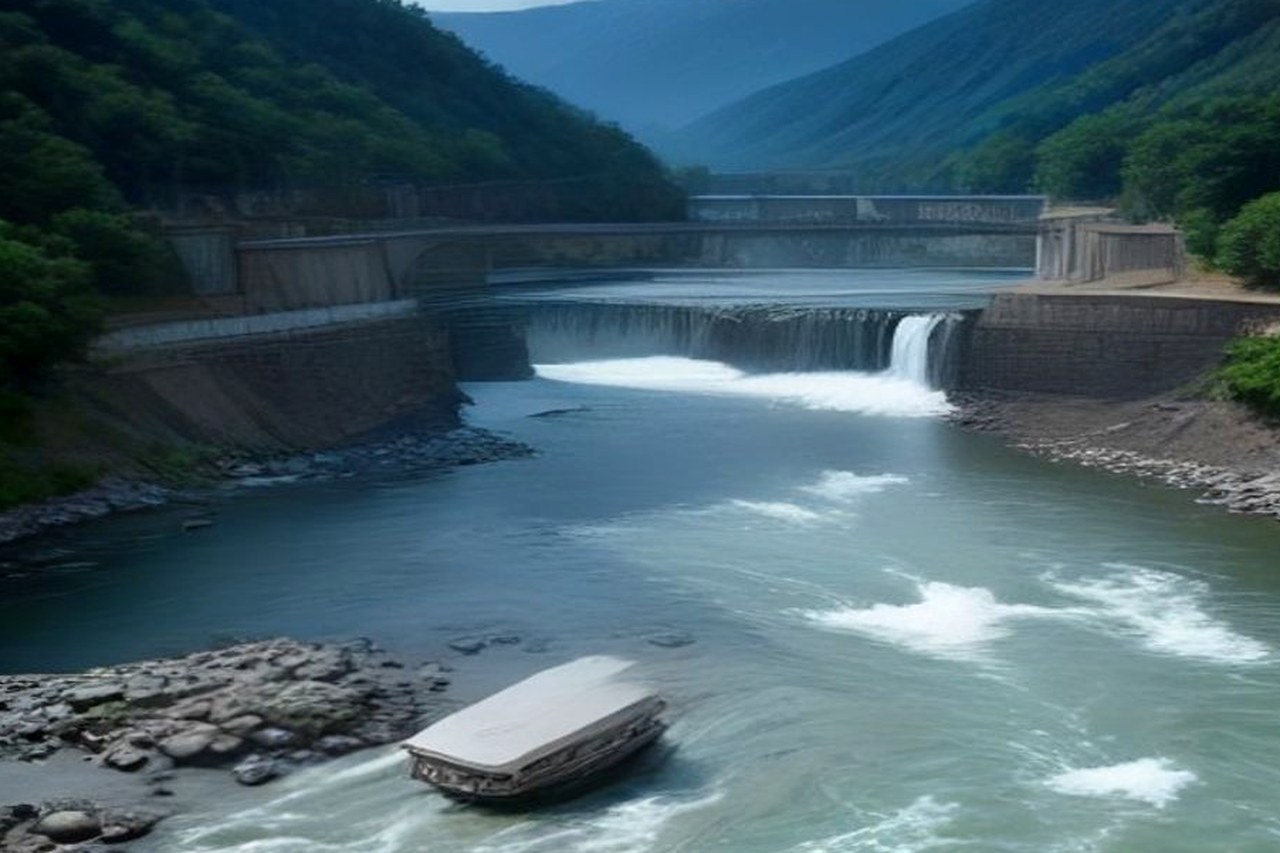
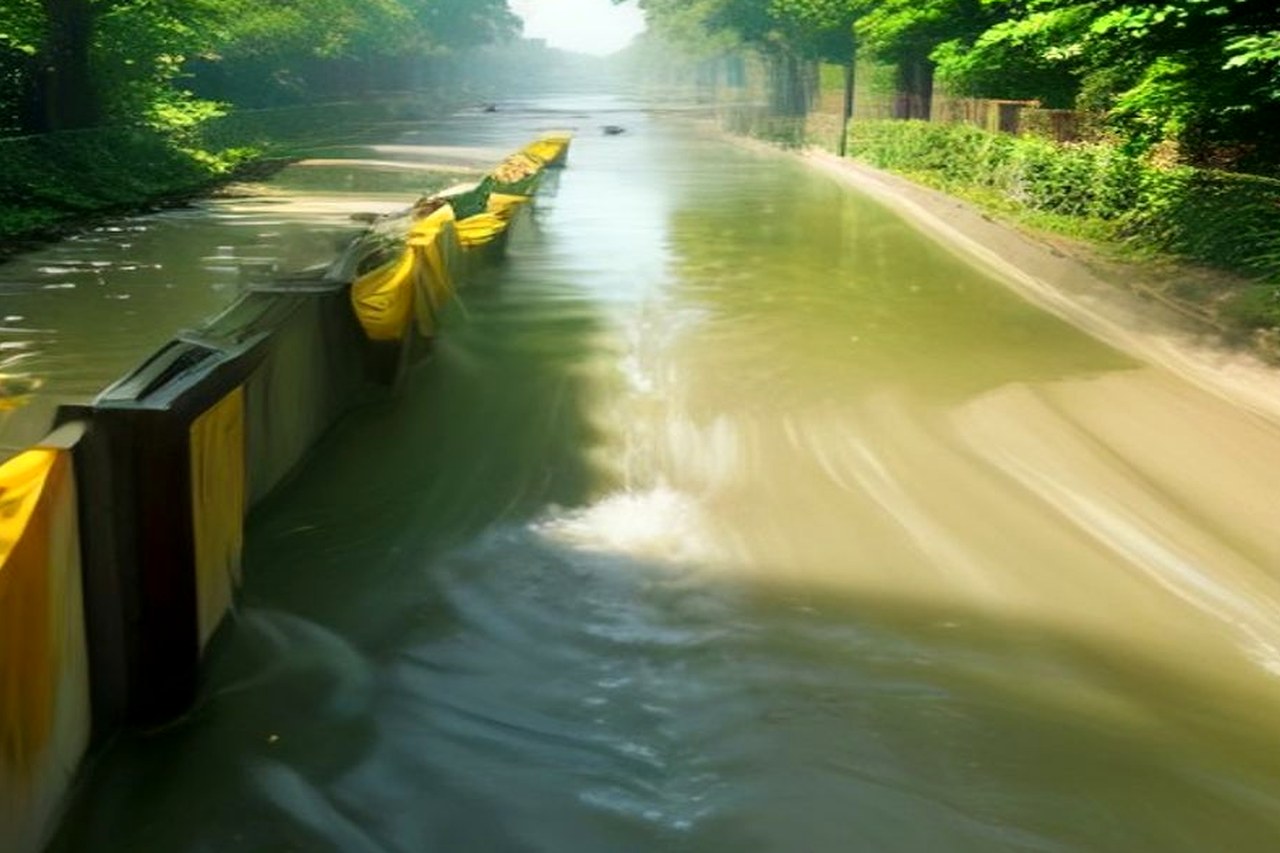
Twelve ritwiks performed Varunajapa and Parjanya Shanti mantras standing in the water of Gogarbham dam. Others recited the Ramayana, the Mahabharata and the Bhagavatam. Faculty and students of the Veda Peetham took part. The image is deliberately elemental: Vedic rain rites performed not only in a hall but in dam water, in a hill shrine town whose tanks and catchments are themselves part of the state’s hydrological anxiety.
A same-day Tirumala Tirupati Devasthanams operational note described an ordinary crowd evening, with Sarva Darshan waiting time about three hours across four compartments at 6 pm. The ₹300 special-entry darshan was closed; walk-in pilgrims were directed through Divya Darshan. Local schedule notes described a four-day yagam pattern with morning sessions around 9:30 to 12:30 and evening sessions. Those waiting times are recorded as a 31 August temple-operations note, not as theology.
Faith and meteorology will be read together whether priests wish it or not. The state monsoon cutting elsewhere in this edition shows a roughly 45 percent June–August deficit. Tirumala’s yagam does not change IMD tables; it does show how public religion responds when fields and drinking-water systems are under stress. For pilgrims, the practical information is simpler: rituals are on, ordinary darshan queues were measured in hours on Monday evening, and special-entry tickets were not being issued at the time of the note.
This cutting invents no claim that the yagam has produced rainfall, no invented mantra theology beyond the named rites, and no crowd figure beyond the waiting-time operational note. It reports the opening of the rain-seeking yagam, the thirty-two ritwiks, the twelve in Gogarbham water, the epic recitations, and the same-day darshan conditions at Tirumala. Temple towns feel rainfall failure twice: once in the surrounding farm economy that feeds pilgrims and workers, and again in the tanks and pipelines that keep a hill shrine functioning. Performing Varunajapa in Gogarbham water makes that double anxiety visible. Alongside the ritual, Monday’s three-hour Sarva Darshan wait and closed ₹300 special-entry window remind visitors that logistics continue even when the liturgical calendar turns to rain. Devotees can respect the rite without confusing it for an IMD forecast. Pilgrims and farmers will watch the sky through the remaining yagam days; the ritual calendar and the monsoon deficit remain parallel public facts.









Comments