India rejects Hague Indus Waters award, says the tribunal never had jurisdiction
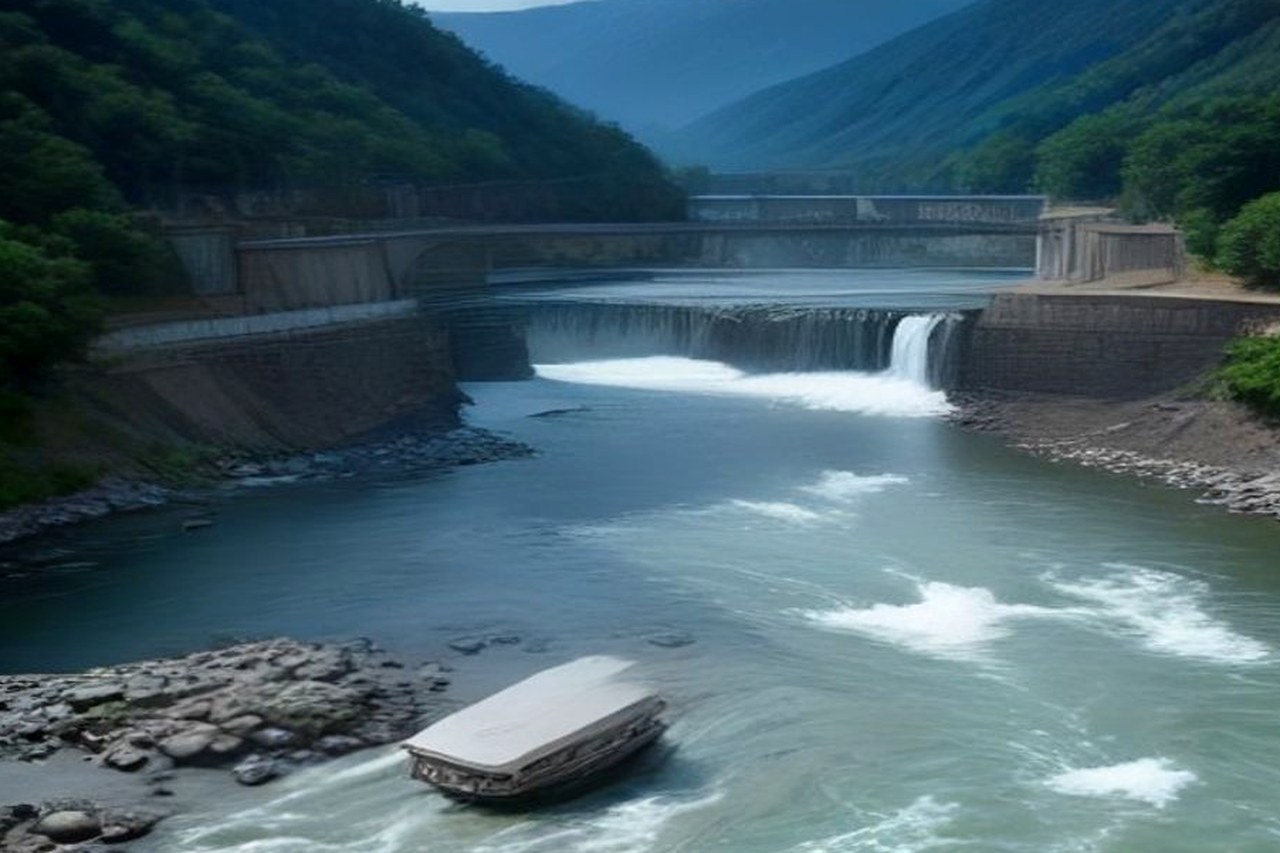
On 31 August 2026 the Court of Arbitration seated at the Permanent Court of Arbitration in The Hague issued two instruments that immediately collided with India’s stated position on the Indus Waters Treaty. The first was an Award on the Status of the Indus Waters Treaty after India’s April 2025 decision to hold the 1960 treaty “in abeyance” following the Pahalgam attack. The second was an Order on Pakistan’s 4 March 2026 interim-measures application concerning the Ratle hydro-electric plant.
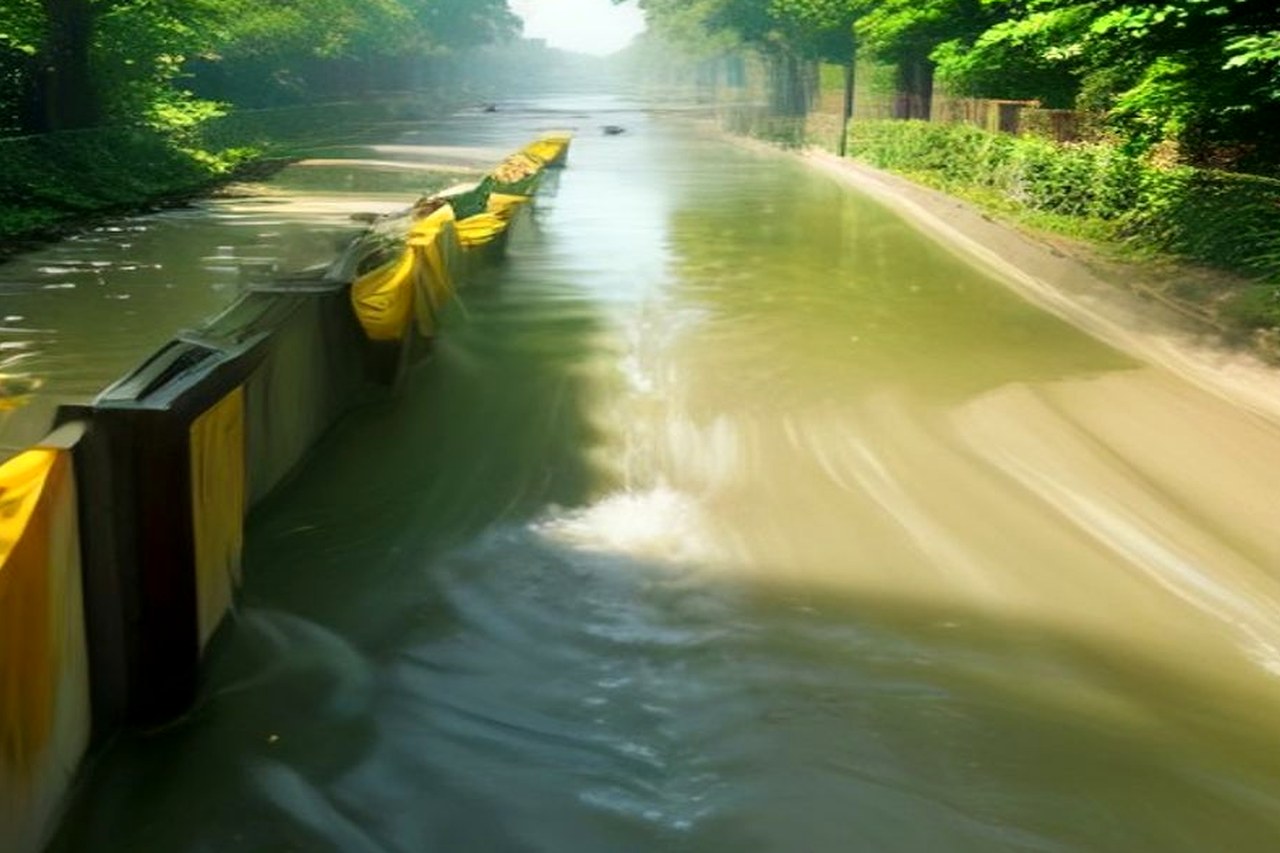
The Court of Arbitration unanimously held that none of the grounds India had cited justified suspension or termination of the treaty. It said the Indus Waters Treaty remains fully in force and that India must observe its obligations, including those that govern the design and operation of run-of-river plants on the Western Rivers — the Indus, the Jhelum and the Chenab. Kishenganga and Ratle also remain before a World Bank-appointed Neutral Expert, a parallel track the award did not erase.
India’s Ministry of External Affairs rejected what it called the “so-called award” on the same day. The ministry’s position was jurisdictional before it was hydrological. It said the body had been constituted by the World Bank in patent breach of the treaty; that India has never recognised the tribunal in law; that India never appeared before it; and that the establishment of the body itself was a grave violation of the treaty framework. On that foundation, the ministry said the Court of Arbitration has no jurisdiction to pronounce on India’s sovereign decisions, that present or future pronouncements will have no effect on India’s projects, and that India’s decision to hold the Indus Waters Treaty in abeyance remains in force.
The collision is therefore complete on paper. One side, sitting in The Hague, asserts that the 1960 treaty never left the legal field and that India’s abeyance decision did not unlock a unilateral exit. The other side, speaking from New Delhi, asserts that the tribunal was born in breach, that non-appearance was deliberate, and that an award from a body India does not recognise cannot bind sovereign project choices on the Western Rivers.
For readers outside the specialist water bar, the stakes are concrete. Run-of-river design rules, storage questions and the fate of contested plants such as Ratle and Kishenganga sit inside a treaty architecture that has governed India–Pakistan water relations for more than six decades. When India placed the treaty in abeyance after the Pahalgam attack in April 2025, it framed the move as a sovereign security-linked decision. The Hague award answers that move by saying the cited grounds were not enough. India’s reply answers the award by saying the court was never lawfully in the room.
Nothing in Monday’s exchange settles the rivers themselves. Reservoirs do not fill because a press statement is issued, and turbines do not stop because a ministry rejects an award. What Monday settled, at least as a diplomatic and legal public record, is the hardening of two incompatible claims: treaty-still-binding versus tribunal-without-jurisdiction. Future project notifications, Neutral Expert proceedings and any further interim-measures litigation will now travel under that open conflict.
This cutting records only what the Court of Arbitration held on 31 August and what the Ministry of External Affairs rejected the same day. It does not invent cubic kilometres, project cost sheets, or battlefield analogies beyond the publicly stated Pahalgam-linked abeyance decision already in the tip record.







Comments