The quota order is out. ₹3,862 crore still needs a poll.
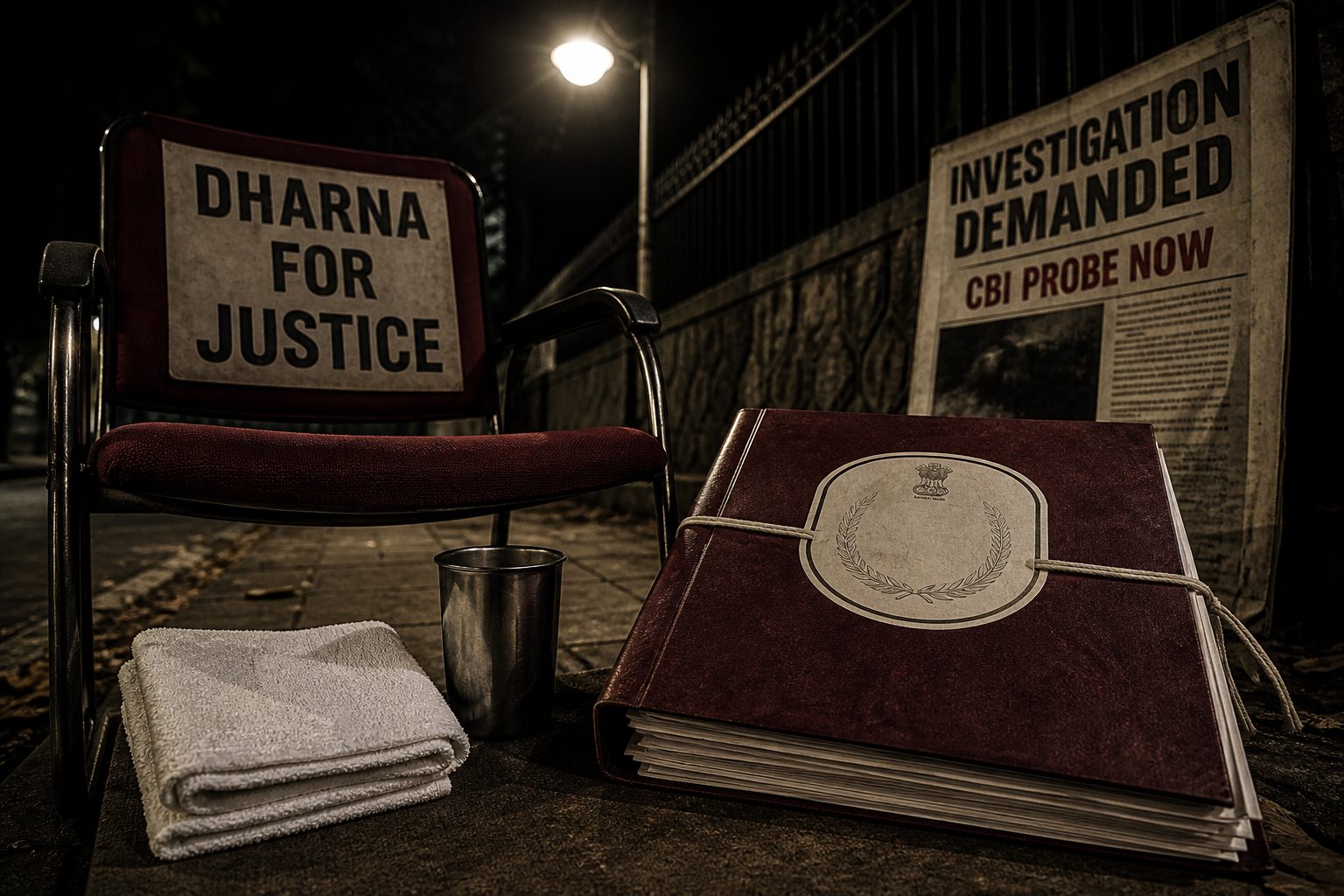
This is not the 33.33 percent Backward Class quota order. That government order is already out. This is the money that order is supposed to unlock, and the race to hold a local poll before the money walks away.
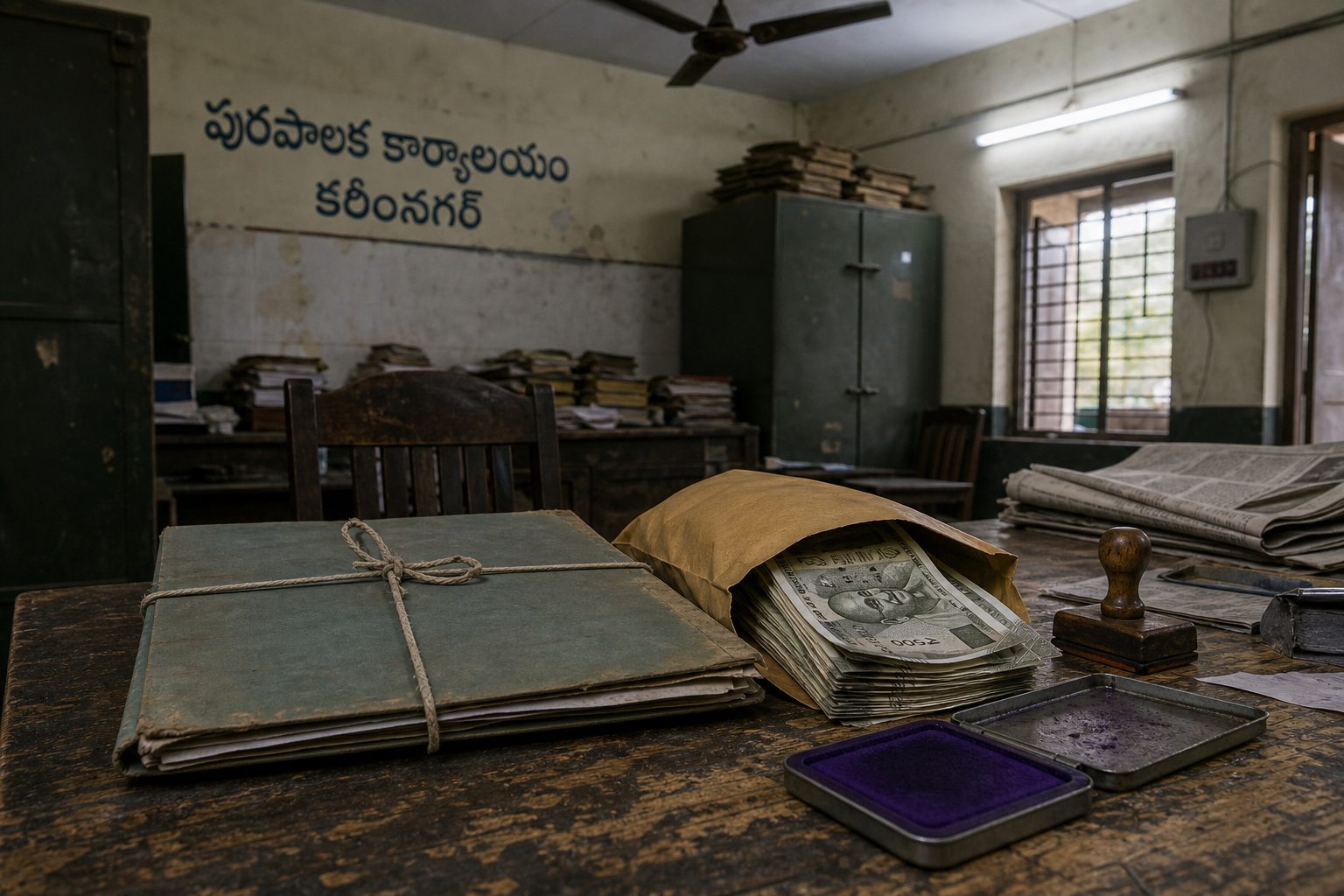
Chief Minister N. Chandrababu Naidu wants early elections to panchayats and urban bodies because the State is trying to claim ₹2,300 crore in rural Finance Commission grants and ₹1,562 crore in urban grants this year. Elected local governments, the government says, are the condition. A special officer in a municipal chair is not a council. A council that does not exist cannot send the utilisation certificate that releases the grant.
The larger cheque is ₹28,785 crore for Andhra’s local bodies under the Sixteenth Finance Commission, for 2026–27 to 2030–31. ₹16,627 crore is rural. ₹12,158 crore is urban. The purpose line is drinking water, sanitation, solid waste and the other civic work a ward actually sees. Eighty percent of an annual allocation is a basic grant, split between untied and tied money. Twenty percent is performance-linked — accounts published, audits done, own revenue raised. Tied money is for water, toilets, waste. Delay the poll, and both the basic and the performance slices sit in Delhi.
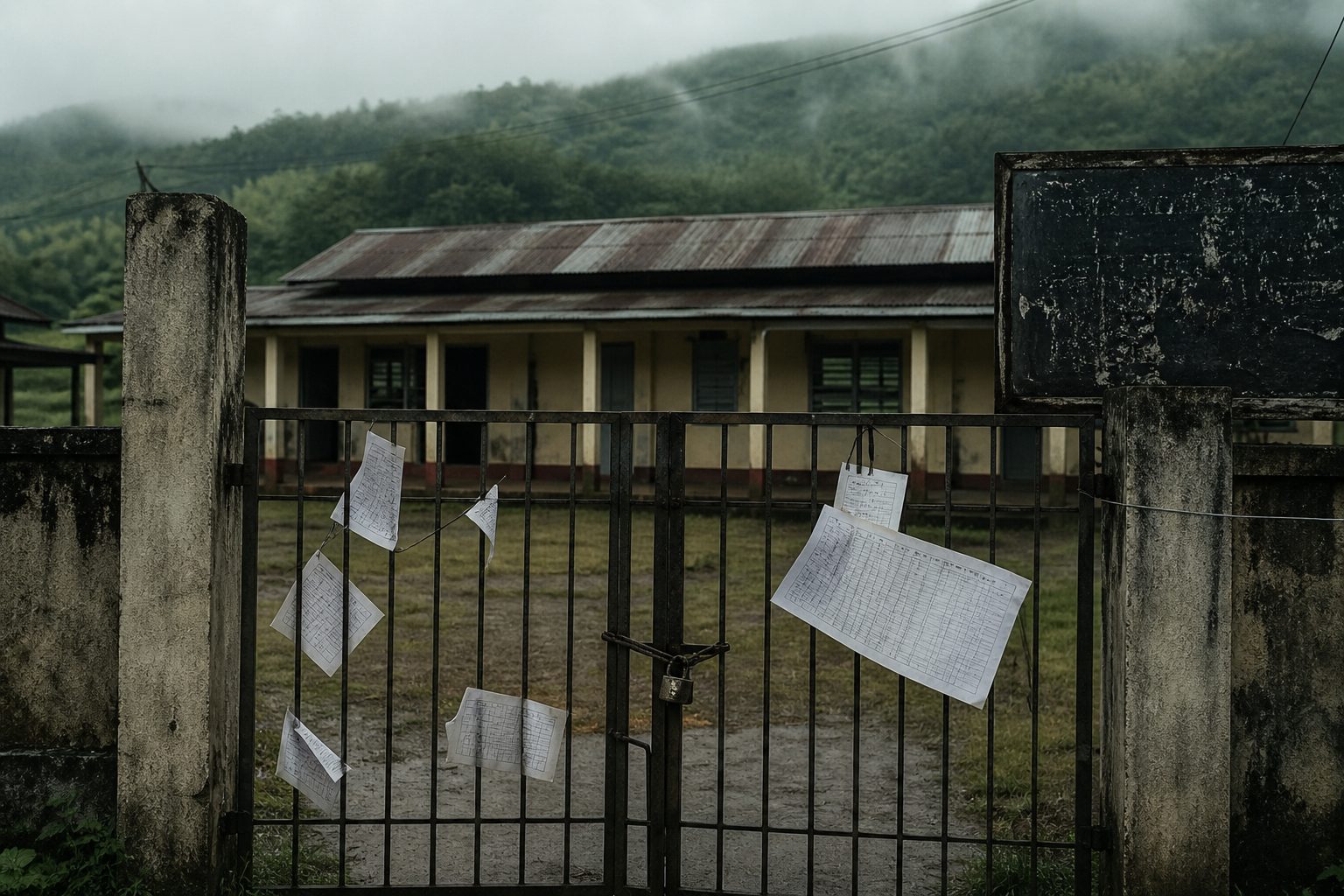
The constitutional clock is already in arrears. Urban local bodies completed their term on 15 March. Gram panchayats completed theirs on 4 April. Mandal and zilla parishads run out by 23 September. Articles 243-E and 243-U want a five-year term and an election before the term dies. Special officers have been keeping the lights on. They do not face a ward. They face a secretariat. Courts have not been kind to States that treat that stopgap as a system.
There is a second clock: 3 October, when revised electoral rolls are due. The administration wants the poll on the existing rolls. Wait, and ward populations shift, SC and ST concentrations move, and the reservation map may have to be drawn again. That redraw is how a local election becomes a year.
The Cabinet has said BC reservations in rural and urban bodies will go ahead in accordance with law, with SC and ST reservations kept. The separate 33.33 percent urban order is the political face of that decision. This story is the fiscal face. The NDA also wants the coalition’s present momentum written into villages and towns before it thins. Leaders have been told to find candidates who can run a panchayat, not only a poster. The Opposition will treat the same poll as a test of whether 2024 still holds at the booth.
None of that changes the grant arithmetic. ₹2,300 crore plus ₹1,562 crore is ₹3,862 crore this year. ₹28,785 crore is the term. A State that is already pleading a tight budget to junior doctors cannot leave that sum on the table because it could not notify a ward list. The Election Commission has to run a process that survives a writ on reservations and rolls. The government has to stop confusing a government order with a ballot.
A quota without a poll is a pamphlet. A Finance Commission without a council is a closed window. Andhra has issued the pamphlet. It has not yet opened the window. The race is not against the Opposition. It is against 23 September, 3 October, and a grant rule that does not pay a special officer.
Comments