Eight Collectors can now make a citizen. Delhi’s committees are out.
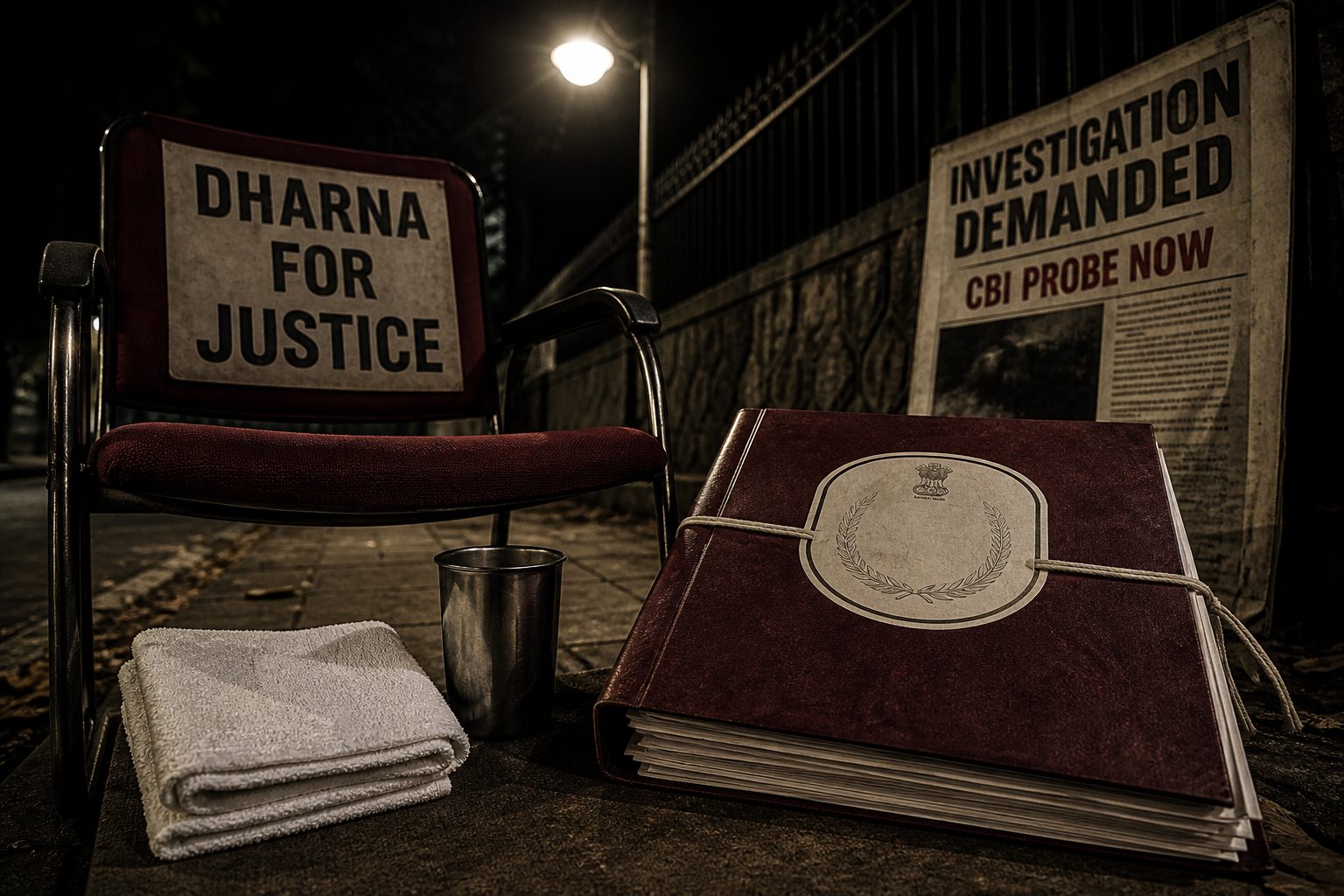
A District Collector in eight States and Union Territories can now grant Indian citizenship under the Citizenship Amendment Act. The central empowered committees that were built to keep the State out of the room have been told to hand over the pending files.
The Union Home Ministry’s order is dated 19 August. The Collectors of Gujarat, Rajasthan, Punjab, West Bengal, Assam (except tribal areas), Tripura (except tribal areas), Jammu and Kashmir, and Ladakh will receive, scrutinise and dispose of applications for registration or naturalisation under Section 6B of the Citizenship Act. The Citizenship (Third Amendment) Rules, 2026, notified the same day, spell out the acts: verify the papers, hold any enquiry needed, administer the oath of allegiance, and, if the applicant is a fit and proper person, grant citizenship. An application can be refused if the person does not appear in person to subscribe and take the oath after a reasonable chance.
All applications that were sitting with Empowered Committees and District Level Committees in those eight jurisdictions move to the Collector. The 11 March 2024 notification that first switched on the CAA rules does not apply there any more. Two later Home Ministry orders, from February and March 2026, are rescinded. What was already done under them is protected.
This is not a small administrative tidy-up. The 2024 design had concentrated the same power in multi-agency rooms — Census, Intelligence Bureau, postal department, other Union officers — precisely so a hostile State government could not stall a file. West Bengal, then under the Trinamool Congress, had opposed the Act. The Centre set up at least four Empowered Committees, two of them at district level under Union officers, and added more panels in the State in the run-up to this year’s Assembly election. The Bharatiya Janata Party now runs West Bengal. The Collector, who is still a Union-cadre officer in the district but sits in the State’s administrative map, is back in the chair.
The people the Act names have not changed. Members of six non-Muslim communities from Pakistan, Afghanistan and Bangladesh who entered India before 31 December 2014, without papers or by a route the law calls illegal, are the intended beneficiaries. In Bengal the political block is the Matua — Hindu Namasudras with roots in Bangladesh. The Rules still asked for a document issued by a government in one of those three countries. Many Matuas could not produce one. After the Special Intensive Revision, several did not find their names on the roll. A Collector who can now administer an oath does not, by that fact, create a missing foreign certificate.
Citizenship is a Union List subject. A State’s honest role was logistics and police verification. The 2024 committees were a political bypass. The 2026 rules are a political restoration — to the district, after the party that wanted the Act won the State. That sequence is on the record. It does not become less true because the order is written in the language of pending applications.
A Collector who can grant citizenship can also reject it. The oath is the last gate. The enquiry is the real one. Eight districts’ maps now carry a power that, two years ago, Delhi would not trust those maps with. The committees are phased out. The file is on the Collector’s table. The applicant still has to prove a date, a community and a country. The politics of who sits on that table has already been decided.






Comments