AP High Court dismisses about 50 petitions against municipal ward delimitation
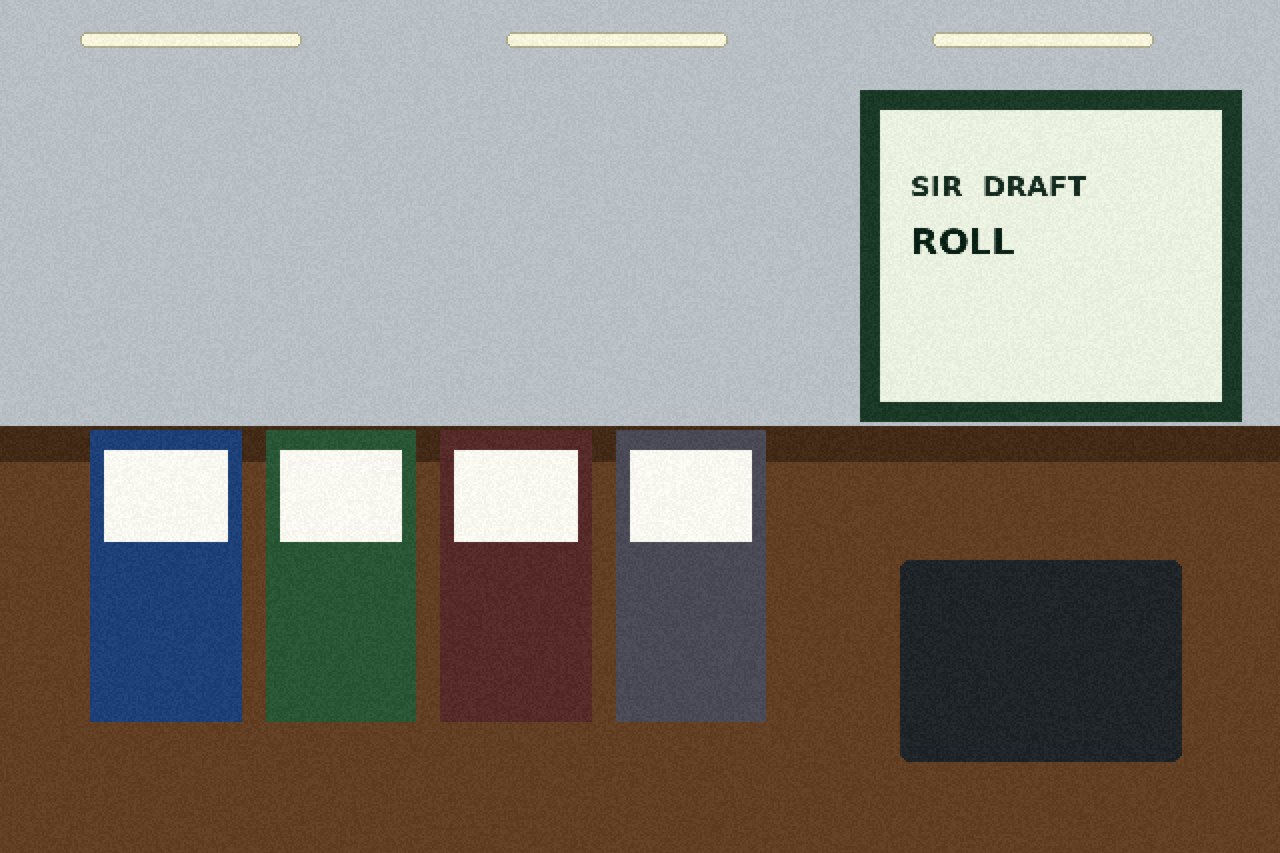
The Andhra Pradesh High Court on 4 September 2026 dismissed around 50 petitions that had challenged the delimitation of wards and divisions in municipalities and municipal corporations. The ruling clears one legal blockade on the state’s local-body election calendar, but it does not clear every blockade.
Municipal Administration and Urban Development had proposed increasing wards and divisions from 3,206 to 3,942, with orders framed in March 2026 and models drawn from Tamil Nadu, Kerala, Telangana and Karnataka. Twenty-nine urban local bodies had challenged the exercise. The High Court’s locked reasoning is narrow and important: delimitation, the court said, does not alter the geographical character of the local body, and a census freeze on administrative boundaries does not bar municipal ward delimitation. That distinction lets the government redraw ward maps without waiting for a new census geography.
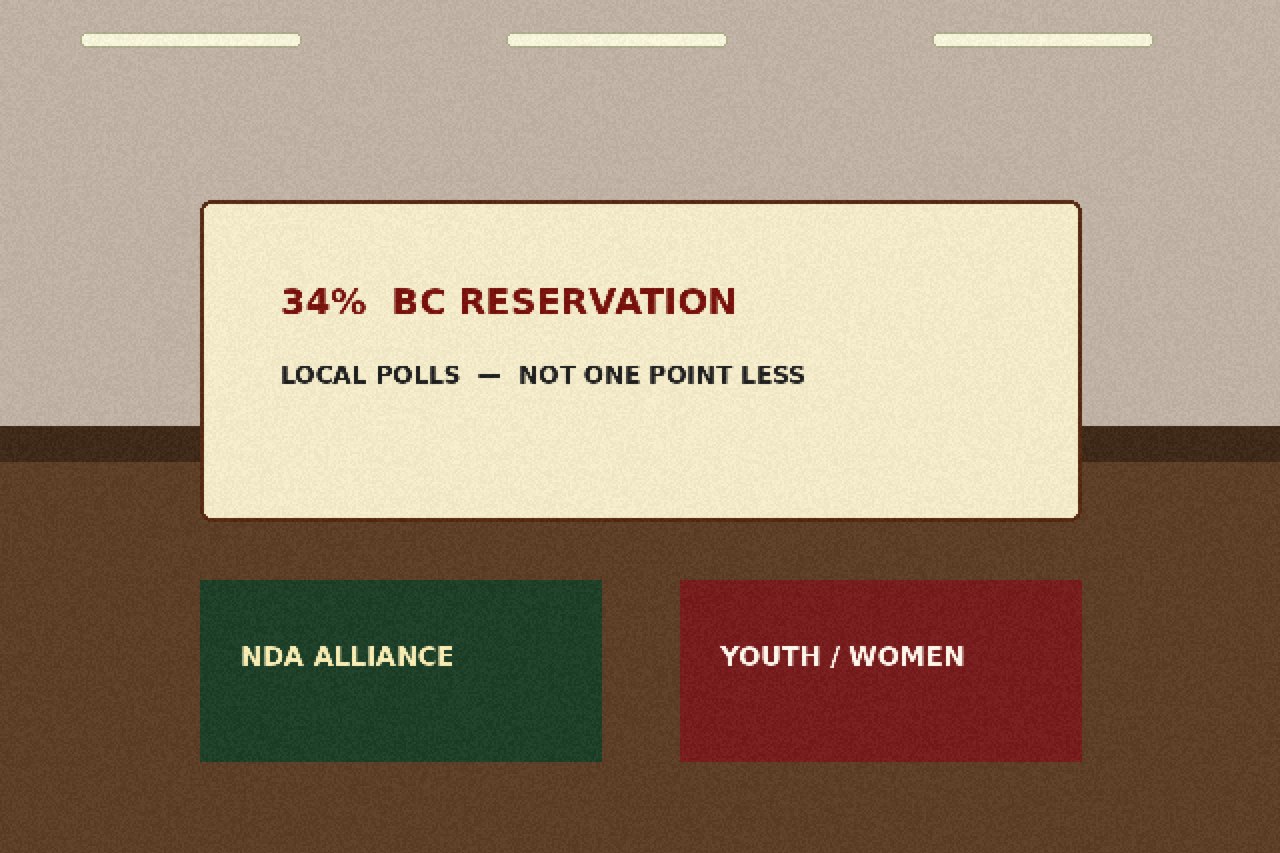
What remains pending is larger than the dismissed stack. Special Intensive Revision has identified about 44 lakh voters as ineligible — a figure that continues to drive opposition litigation. The YSR Congress Party’s challenge to using the January 2026 electoral rolls is still alive. So is the fight over 34 percent Backward Classes reservation in local bodies against the 50 percent combined ceiling for Scheduled Castes, Scheduled Tribes and Backward Classes. Those three tracks — SIR, roll date, reservation ceiling — are the real remaining hurdles, not the ward-count petitions the court has now dismissed.
The Cabinet has approved direct election of mayors and municipal chairpersons. The government still targets completion of local-body polls by the end of October. Direct election changes the political product voters will face; it does not by itself settle SIR or reservation litigation.
For election desks, 4 September is therefore a partial unlock. Ward maps can move. The October target stays on the government’s lips. But about 44 lakh SIR-flagged names, the January-roll dispute, and the 34 percent BC reservation fight remain live. This cutting does not invent Form B dates, a notified poll schedule, or a Supreme Court order that was not locked. It records a High Court dismissal of delimitation petitions and the unfinished litigation that still sits between that dismissal and a finished local-body election.
Municipal ward maps are not a technicality in Andhra Pradesh’s 2026 local-body calendar. More wards mean more seats, more booths, and a different arithmetic for every party’s ward-level organisation. Raising the count from 3,206 to 3,942 is therefore a political product as much as an administrative one. By citing models from Tamil Nadu, Kerala, Telangana and Karnataka, the Municipal Administration department tried to present the jump as comparative best practice; petitioners tried to present it as an illegal redraw. The High Court has now closed that particular door.
Direct election of mayors and municipal chairpersons, already approved by Cabinet, will further change how urban power is contested. A directly elected mayor is a different campaign animal from a chairperson chosen inside a council. Combined with new ward boundaries, that change will reshape municipal tickets even if SIR and reservation litigation continue to delay the final notification.
Election desks should therefore read 4 September as a split verdict day. Delimitation petitions: dismissed. SIR and roll-date fights: pending. BC reservation ceiling fight: pending. October completion target: still the government’s public aim, still not a Gazette notification of poll dates. This cutting keeps those four sentences in that order so readers do not mistake a delimitation win for a finished election.
Comments