CBI tells Punjab & Haryana HC it has no objection to a cash-for-postings probe if entrusted
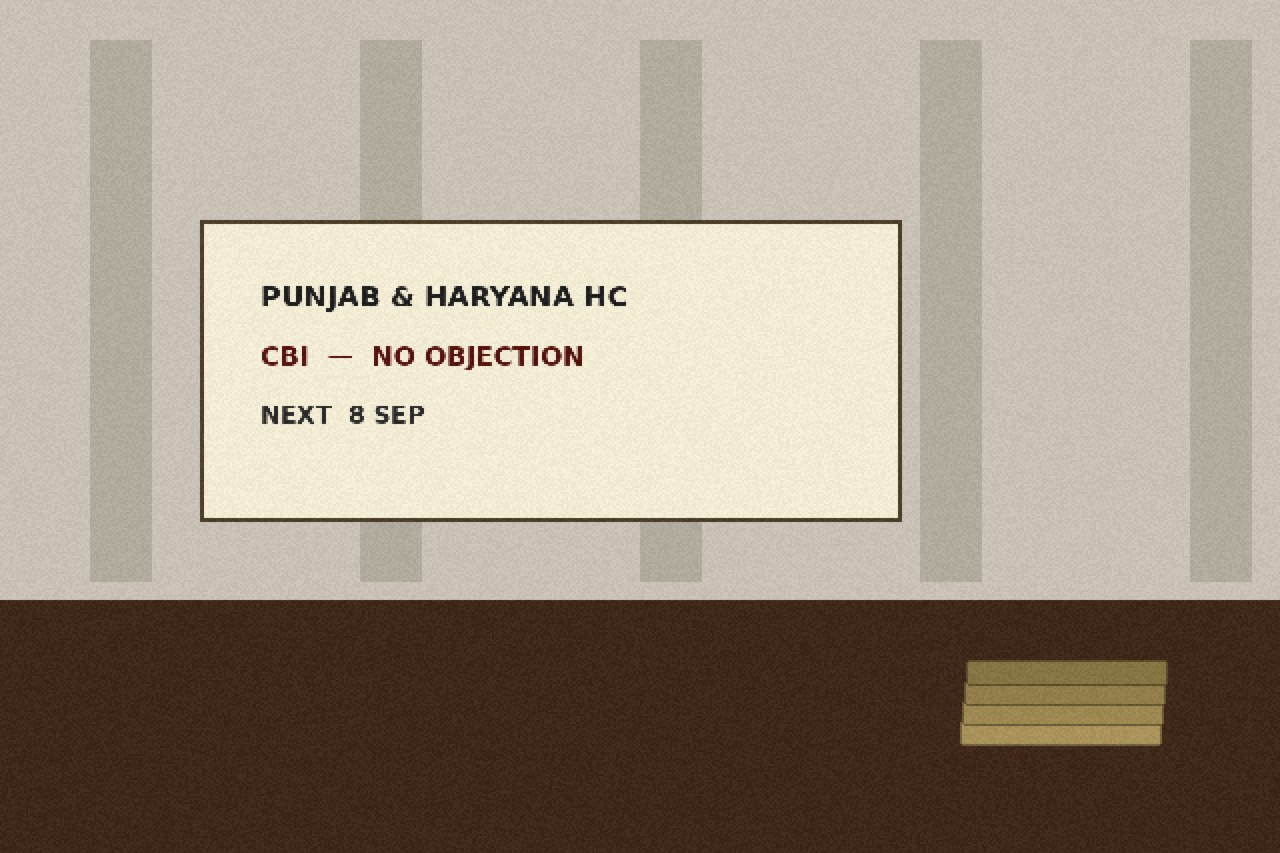
The Central Bureau of Investigation has told the Punjab and Haryana High Court that it has no objection to investigating an alleged multi-crore cash-for-postings and land-clearance racket in Punjab if the court entrusts the case. The reply, locked on 4 September 2026, came through anti-corruption Additional Superintendent of Police Karan Singh Rana in answer to a public interest litigation by advocate Nikhil Saraf.
Saraf’s petition seeks an independent CBI probe into alleged illegal gratification for IAS and IPS transfers and postings, for tenders, for arms licences, and for change-of-land-use clearances that benefit builders. The petition is not a finished trial record. It is a demand that a central agency take the allegations away from state-controlled investigation. The Bureau’s 4 September line is carefully limited: it does not claim it has already proved the racket; it says it will investigate if entrusted, will abide by High Court directions, and will seek preservation of files and electronic records if the matter is transferred.
The Punjab government opposed a CBI probe. It alleged that communications from the Enforcement Directorate were politically motivated. Separately, the ED had written to Punjab Director General of Police Gaurav Yadav under Section 66(2) of the Prevention of Money Laundering Act and urged registration of an FIR. That ED letter sits on the same public controversy as the PIL; this cutting does not invent the letter’s full annexures or treat an ED communication as a conviction.
Next hearing is listed for 8 September. Until then, the locked facts are institutional positions, not findings: CBI willing if entrusted; state government opposed; ED urging an FIR under PMLA correspondence; petitioner seeking a central probe into transfers, tenders, arms licences and CLU clearances.
Cash-for-posting allegations strike at the heart of how a state cadre moves. Land-clearance and arms-licence allegations strike at how permissions are sold. A High Court PIL that forces CBI, ED and the state government onto the same cause list is therefore an Investigate story even before a single accused is charge-sheeted. Readers should keep the 8 September date, the ASP’s no-objection reply, and the state opposition on the record — and refuse any invented figure for “multi-crore” beyond the petition’s own framing, which this desk records as alleged, not audited.
The geography of the case is Chandigarh’s High Court, but the alleged marketplace is Punjab’s transfer-and-permission economy. IAS and IPS posting lists decide who sits in which district. Tender boards decide which contractor bills the state. Arms licences and change-of-land-use files decide who builds and who carries a weapon legally. When a PIL bundles those tracks into one prayer for a CBI probe, the court is being asked to treat them as one alleged marketplace of illegal gratification rather than as disconnected grievances.
Federal agencies already sit on the edges of that marketplace. The Enforcement Directorate’s letter to the DGP under PMLA correspondence, and the Bureau’s willingness to take the case if entrusted, show how quickly a state scandal can become a Centre–state contest. The Punjab government’s reply that ED communications are politically motivated is the mirror image of that contest. Neither side’s press line is a substitute for seized ledgers or recorded bribes. Both sides’ lines are now on the High Court file.
For an India-desk Investigate card, the test is restraint. Do not invent a rupee total beyond the petition’s “multi-crore” framing. Do not invent accused names that the 4 September report did not lock. Do lock the ASP’s no-objection, the preservation-of-records request, the state’s opposition, the ED’s FIR urging, the petitioner’s name, and the 8 September next date. That is enough for readers to see why the High Court list matters before any charge sheet exists.
Comments