
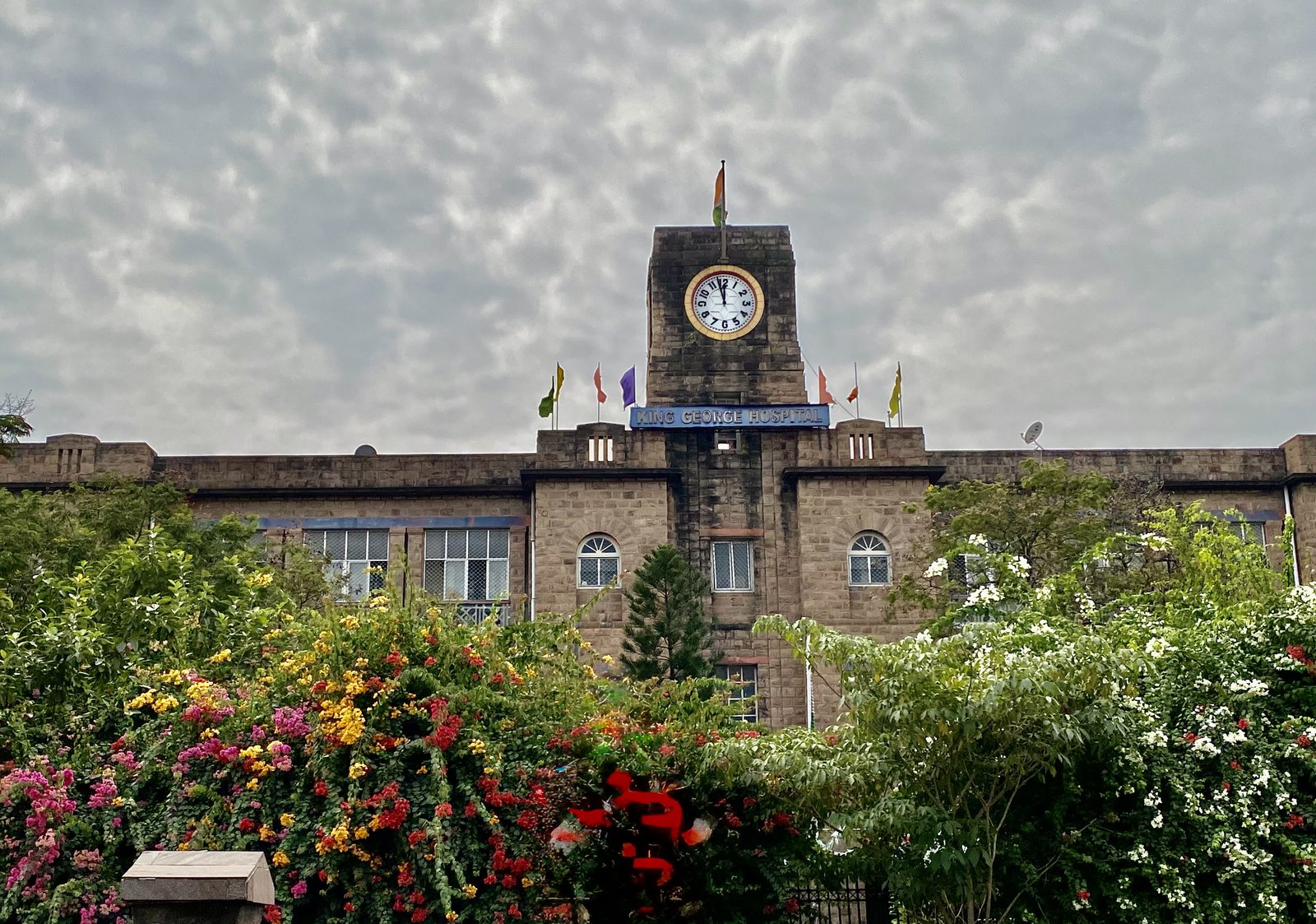
A newborn died after a Saturday Caesarean at Kamareddy GGH. The family alleges delay; the superintendent cites severe anaemia.
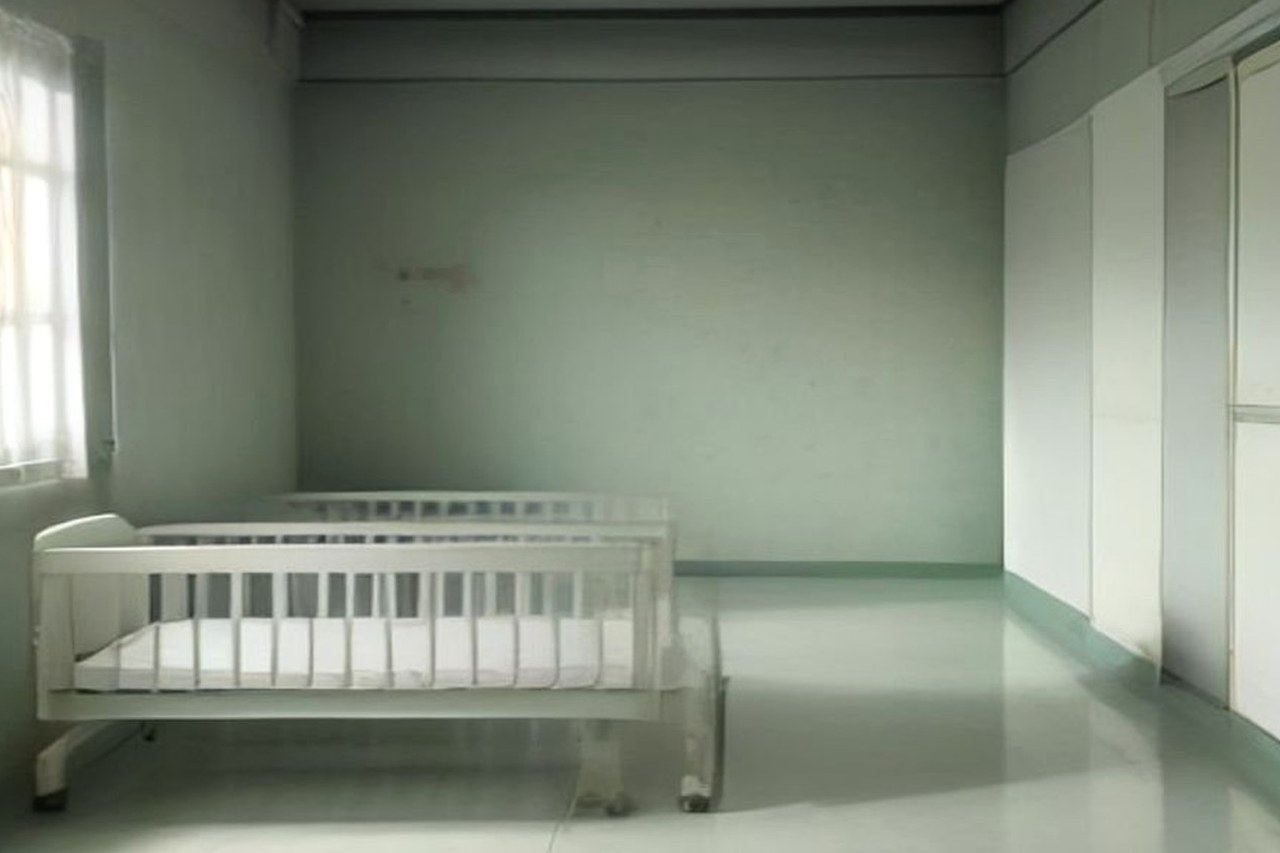
The mother was twenty. The haemoglobin on admission was seven. The baby did not leave the theatre alive.
On Saturday, 22 August 2026, a newborn died at Kamareddy Government General Hospital after a Caesarean section. The mother is named as Swaroopa, age 20. She was admitted on Friday for her first delivery. One public card places her from Lingampally. Another places her from Ekkapalli Thanda, Kamareddy district. This desk will not merge those two village lines into one invented place. Both spellings stay labelled as the cards printed them.
Hospital officials said she was around 38 weeks pregnant with haemoglobin 7 gm/dL — severe anaemia — and was administered blood after admission. Superintendent Dr Venkateshwar said she was in precipitate labour; doctors monitored her before deciding on a Caesarean on Saturday; during the procedure the baby could not be revived and died. He said a pregnant woman should ideally have at least 10 gm haemoglobin, and that severe anaemia may have contributed. The mother, he said, was stable and receiving treatment. Ideal haemoglobin and may have contributed are his medical sentences. They are not a family admission. They are not a court finding.
The family alleged delay in the Caesarean. One Saturday night card said she was brought around 9 a.m. Friday; the family said doctors advised waiting for labour pains; the family alleged they repeatedly asked for a C-section; after the Saturday Caesarean, the family alleged the baby had died in the womb. Allegation is the word that stays on every family sentence. This desk will not treat the family’s charge as a medical finding.
Dr Venkateshwar said the allegations would be examined through a primary inquiry and an internal committee; if lapses were found, action would be taken. He said the hospital handles around 10 to 15 deliveries a day and receives several high-risk rural cases, and that incidents of this nature were reported once every three to five months. An internal committee promised is not a committee that has already reported. This desk will not invent the committee’s members or its finding.
Inspector B Narahari said there was tension as the family confronted hospital management; after a complaint, police registered a case against the hospital management under Section 106(1) of the IPC. The baby’s body was sent for autopsy and then handed to the family; investigation was underway. Section 106(1) IPC is the section on the card. This desk will not rewrite it as a Bharatiya Nyaya Sanhita number. Autopsy sent is not autopsy result. No autopsy result sits on this card. None will be invented.
What is not here is a merged village, a committee roster, an autopsy finding, or a negligence verdict. What is here is Friday admission around 9 a.m. on one card, Hb 7 gm/dL, blood given, Saturday Caesarean, a newborn dead, mother stable, family alleging delay, superintendent citing precipitate labour and severe anaemia, an internal inquiry promised, and a 106(1) IPC case against hospital management.
Until the inquiry writes, delay is allegation and anaemia is the hospital’s cited factor. Until autopsy results are public on a locked card, the cause of death is not a finished medical sentence on this page. The labour room’s empty corridor is the public picture. The finding is not yet written.







Comments