
They signed the maritime paper in New Delhi, not a preview. The first kit named for transfer is an antenna.
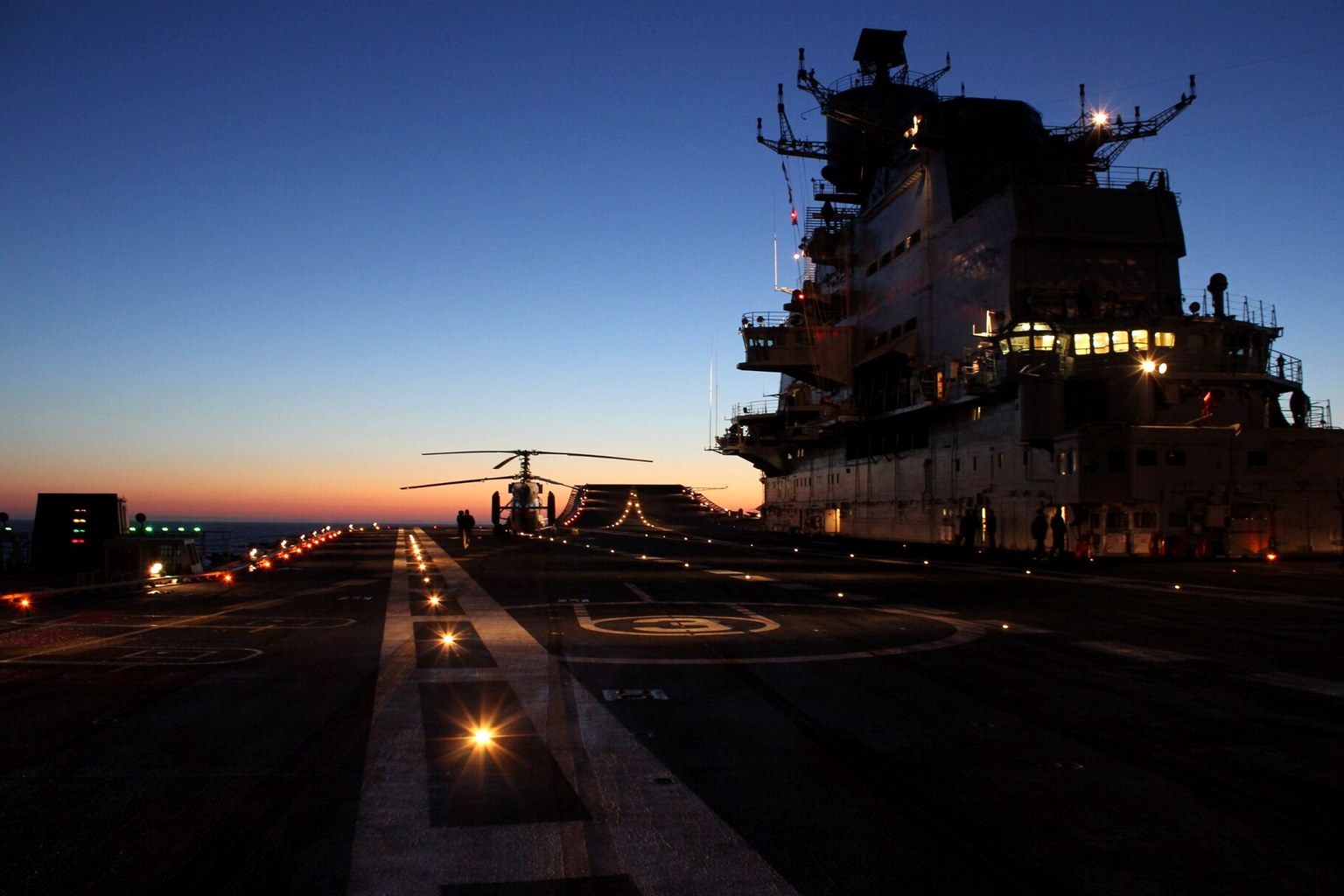
They signed it. This is not a meeting preview. Defence Minister Rajnath Singh and Japan's Shinjiro Koizumi put their names under a Memorandum of Arrangement on Maritime Security Cooperation in New Delhi on Thursday, 20 August.
The Defence Ministry placed the talks under the Japan-India Special Strategic and Global Partnership, and under a free and open Indo-Pacific. Those are the frame sentences. This desk does not have a locked quotation from either minister on the signing day and will not invent one.
The arrangement is about work between the Japan Maritime Self-Defense Force and the Indian Navy. The named heads are Maritime Domain Awareness, search and rescue, and humanitarian assistance and disaster relief. Protection of Sea Lines of Communication is to be pursued through reciprocal naval visits, joint exercises, exchanges of personnel and subject-matter experts, and through ports and maintenance and repair. That is a working navy list, not a communique flourish.
Mine countermeasures are on the paper. So is an exploration of joint naval shipbuilding and design — Japanese technology, Indian production. Greater Japanese use of Indian shipbuilding under Make in India, and reciprocal ship-repair, sit in the same paragraph. An exploration is not a keel-laying. This desk will not turn "explore" into a yard order.
The first defence-equipment transfer project identified for early realisation is UNICORN, a shipborne integrated communications antenna. An antenna is not a ship. It is the first kit the two sides have named. Early realisation is the official verb. It is not a delivery date this desk has been given, and it will not print one.
The Defence Research and Development Organisation and Japan's Acquisition, Technology and Logistics Agency are to deepen research and development. A Defence Industry Forum is to be held. A working group at Director-General and Joint-Secretary level is to sit. Those are the bureaucratic joints under the ministers' signatures.
On the exercise calendar the paper is more specific. Dharma Guardian and JAIMEX are to be expanded. Veer Guardian 26 is planned with Japanese fighters in India for the first time. Unmanned systems and short-notice joint exercises are to be taken up. The fourth 2+2 is to be accelerated in Tokyo this year. "This year" is the locked timing for that 2+2. This desk will not invent a month.
Both sides expressed strong opposition to unilateral actions that impede freedom and safety of navigation and overflight, and to attempts to change the status quo by force or coercion. No country was named in that sentence. This desk will not name one. An unnamed opposition is still an opposition. It is not a statement about a named neighbour.
A later explained page on 21 August restated the 20 August signing. The event date remains Thursday. Saturday's paper is carrying a signed pact, not Friday's restatement as if it were a new signature.
What this desk will not do is write a submarine line, a missile line, or a rupee value. None of those is on the card. It will not invent a quote for Rajnath Singh or for Koizumi. It will not turn UNICORN into a fleet. It will not say the fourth 2+2 has already met.
Until the working group sits and the antenna moves, the public ledger is a signed Memorandum of Arrangement in New Delhi, a navy-to-navy list on awareness, rescue, disaster relief and sea lines, an exploration of joint shipbuilding, Make in India yard use, reciprocal repair, UNICORN as the first transfer kit, a DRDO-ATLA research line, a Defence Industry Forum, expanded Dharma Guardian and JAIMEX, Veer Guardian 26 with Japanese fighters in India for the first time, and a fourth 2+2 to be accelerated in Tokyo this year. The signature is Thursday's fact. The rest is the work the signature has now authorised.



Comments