
Seventeen accounts, two months, ₹25.45 crore. The kits were sold outside a railway station.
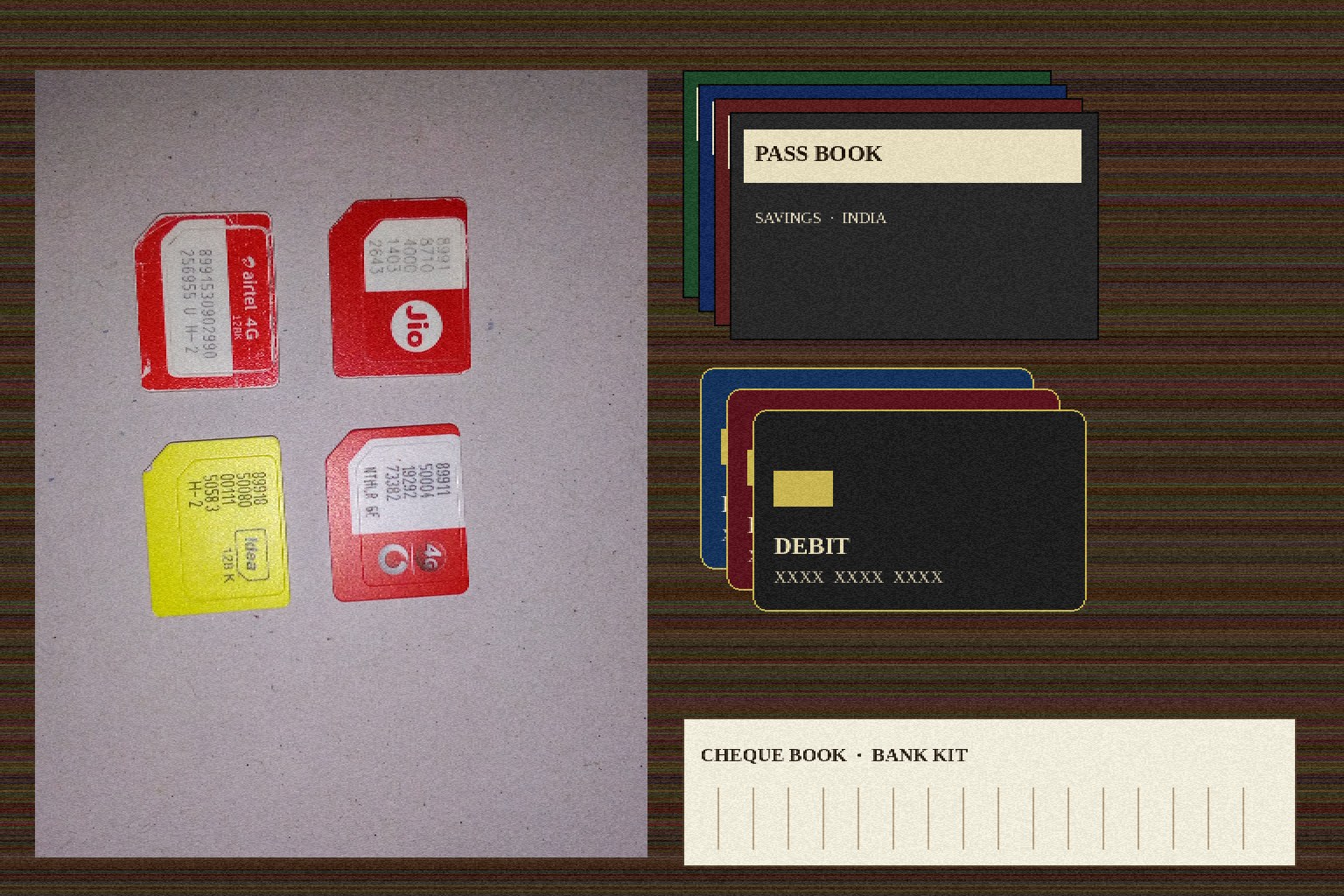
Seventeen bank accounts, in about one and a half to two months, moved about ₹25.45 crore. Police say the kits that opened those accounts were being supplied outside Sandhurst Road railway station.
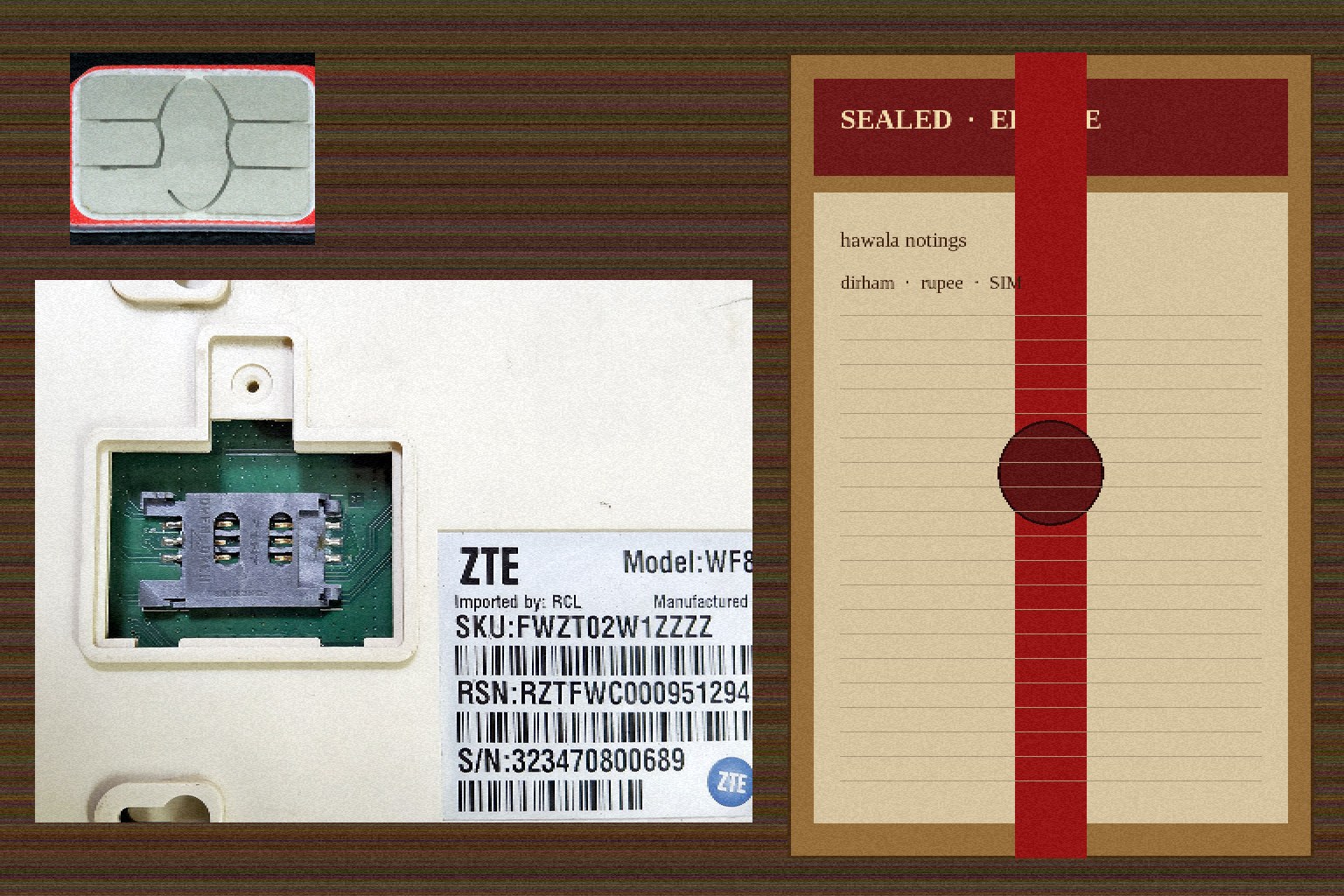
Mumbai police arrested three agents there on Thursday, 20 August, for allegedly creating mule-bank-account kits used in cyber fraud. A mule account is a real account with a real passbook that someone else operates. The lure, police say, was earnings through online gaming, cricket betting and casinos. Recruits in urgent need of money were paid small incentives. Then the passbooks, debit cards, chequebooks and SIM cards were taken. That bundle is the kit.
The case is at Dongri police station. The sections named are Bharatiya Nyaya Sanhita 318(4), 317 and 3(5), read with Information Technology Act Sections 66(c) and 66(d). Those are the charge lines this desk has. It will not add a section that is not on the card.
The three arrested men are all from Madhya Pradesh. Nikhil Kamalkumar Jaswani, 28. Rahul Shyamlal Parwani, 32. Jay Biharilal Teerthani, 26. They have been sent to judicial custody. Judicial custody is a holding order. It is not a conviction. Five more people are wanted. Three women sub-agents have been issued notices under Bharatiya Nagarik Suraksha Sanhita 35(3). A notice is not an arrest. This desk will leave the three women where the card leaves them: noticed, not named as arrested.
Of 110 seized or identified bank accounts, banks have so far given details of 17. The ₹25.45 crore sits on those 17. The other 93 are still a list waiting on the banks. This desk will not pretend the full 110 have been added up. The only traced sum locked here is ₹25.45 crore, on 17 accounts, in about 1.5 to 2 months.
At least 38 cyber crimes have been linked to those accounts. The States and Union Territories on that list are Maharashtra, Karnataka, Telangana, Delhi, Madhya Pradesh, Uttar Pradesh, Kerala, Tamil Nadu, Gujarat, Jammu and Kashmir and West Bengal. Eleven jurisdictions. A mule kit sold outside a Mumbai railway station is, if the police case holds, a fraud kit in a city the recruit never saw.
The seizure list is an office, not a slogan. Forty-two passbooks. Seventy debit cards. Thirty-six SIM cards. Twenty-three phones. Three laptops. One tablet. Twelve bank kits. One motor car. Police have put the value of that haul at about ₹50 lakh. ₹50 lakh is the kit-and-car figure. It is not the ₹25.45 crore that moved through the 17 accounts. Those two rupee lines must not be added into one unaudited total.
The probe has been expanded to Govandi, Mankhurd, Dongri, Belapur, Panvel and Osmanabad. That is a Mumbai-and-beyond map: two eastern suburbs, the station that holds the first information report, two Navi Mumbai points, and a district in the hinterland. Deputy Commissioner of Police Zone-1 Manish Kalwaniya briefed on the case. The card does not lock a quotation from him. This desk will not invent one.
What the public can see is a factory grammar. A person who needs money is offered a small incentive and a story about gaming or betting or a casino. The bank's paper leaves with the agent. The SIM leaves with the agent. Somewhere else, a cyber fraud uses that paper. The recruit is left with a KYC name on a crime that travelled to those eleven jurisdictions.
This desk will not invent the incentive amount. The card says "small incentives" and stops there. It will not invent the names of the five who are wanted, or the three women who have been noticed. It will not turn 110 accounts into ₹25.45 crore. Only 17 accounts carry that rupee line so far.
Until a court writes, Thursday is three arrests outside Sandhurst Road, a Dongri case under the named sections, a 110-account list, a 17-account trace of ₹25.45 crore, 38 linked crimes, a ₹50 lakh seizure, and five people still wanted. Banking KYC is the public leak. Sandhurst Road is only where the kit changed hands.





Comments