
Fish died at four villages on the Kundu. The same river is taking 30 MLD of Nandyal sewage.
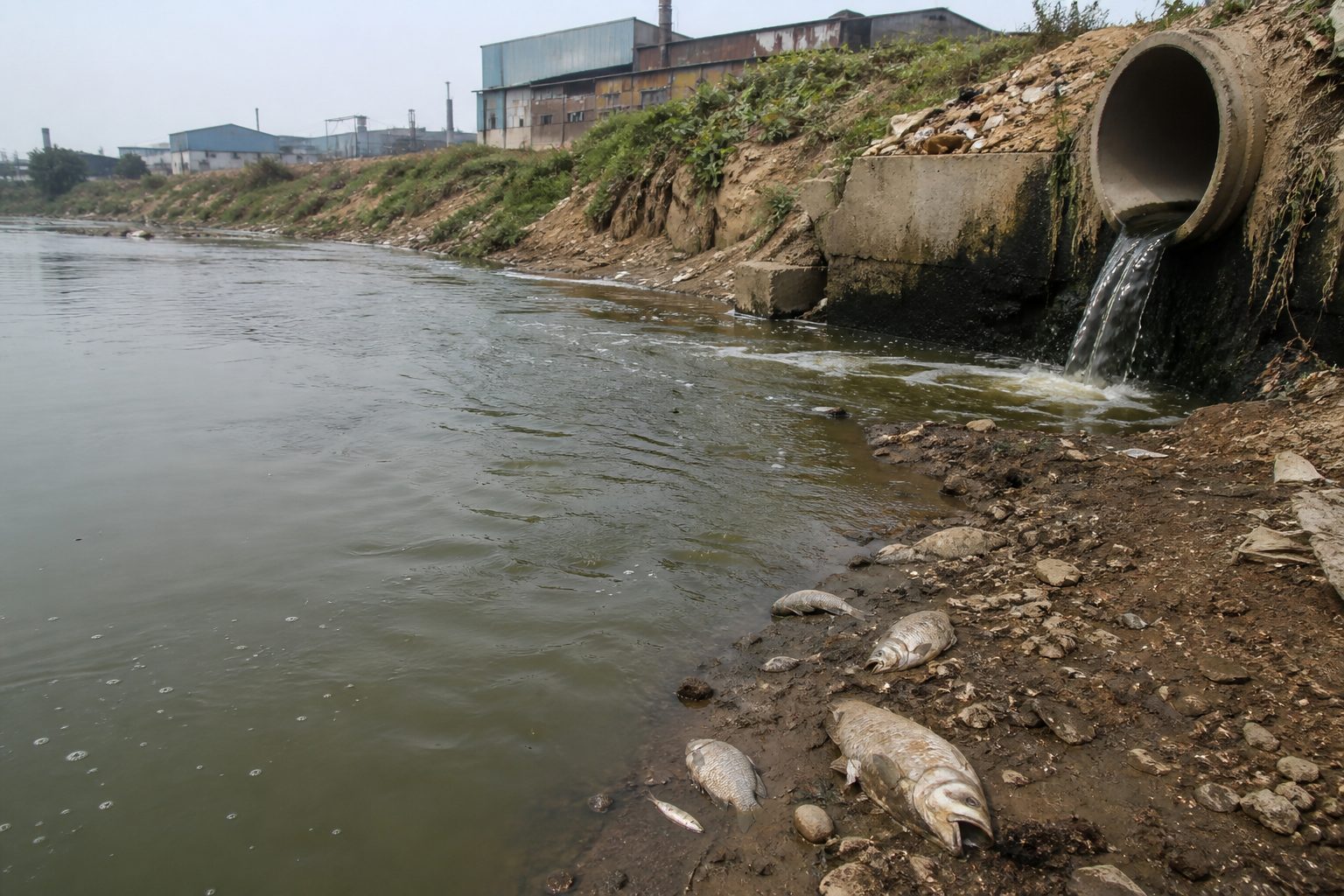
The Kundu is a drinking-water river that is being used as a drain. The fish are the first public proof. The sewage number is the second.
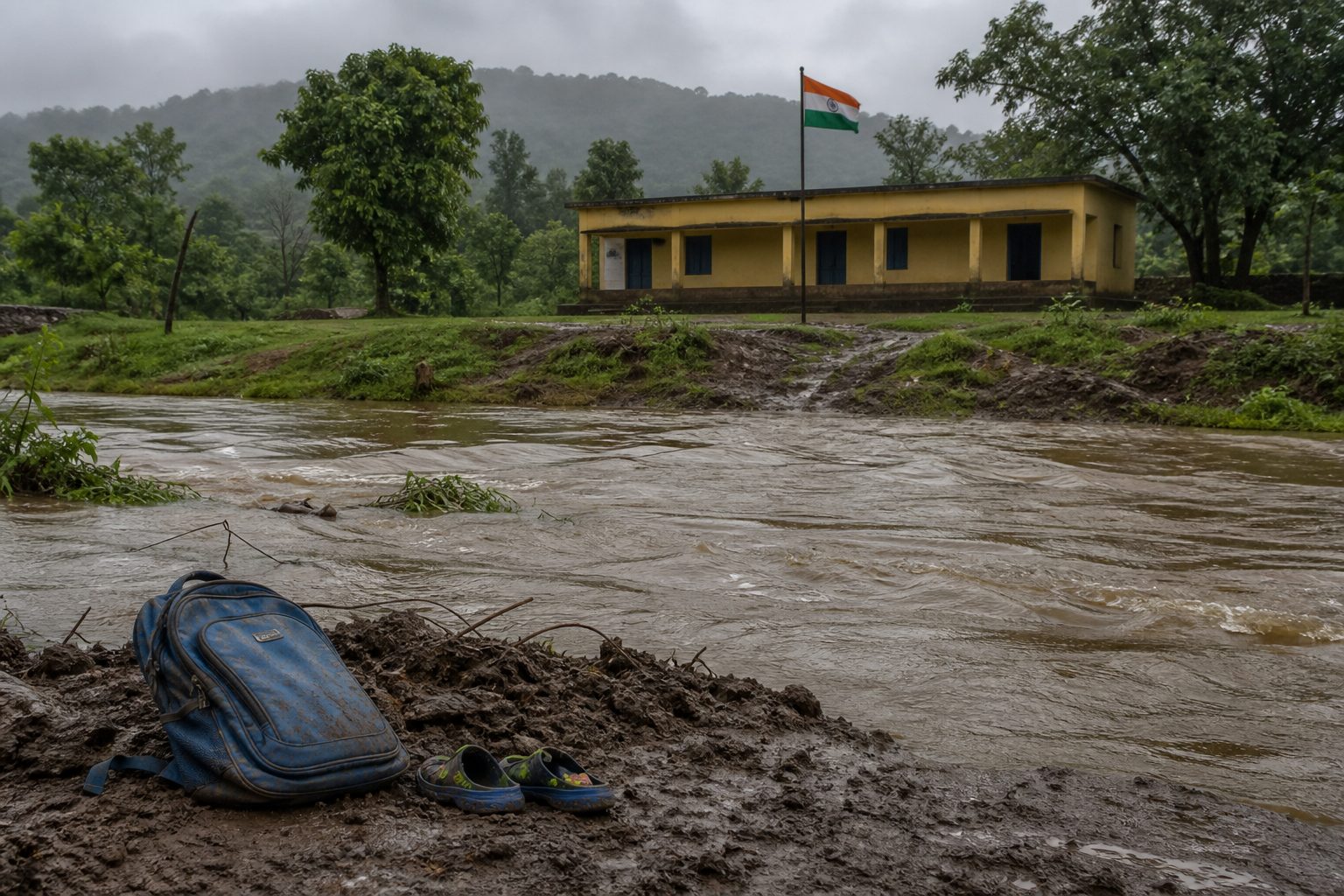
Recent fish deaths are reported at Valampadu, Kalugotla, Kovelakuntla and Lingala. Villagers say the water turned green and stank, and that contact caused rashes and itching. Four villages. A colour. A smell. A skin complaint. This desk will not add a fifth village or a named chemical that is not on the card.
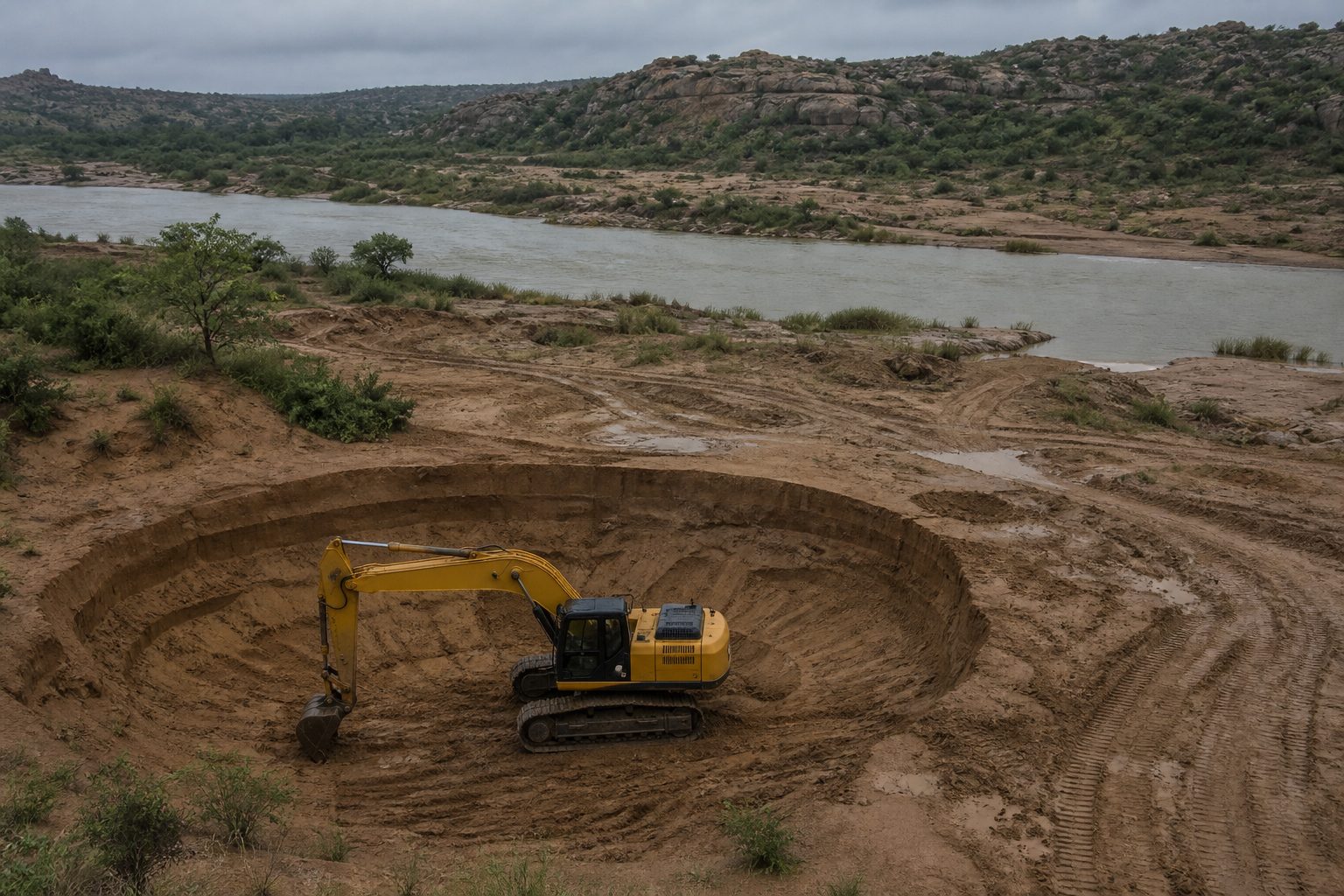
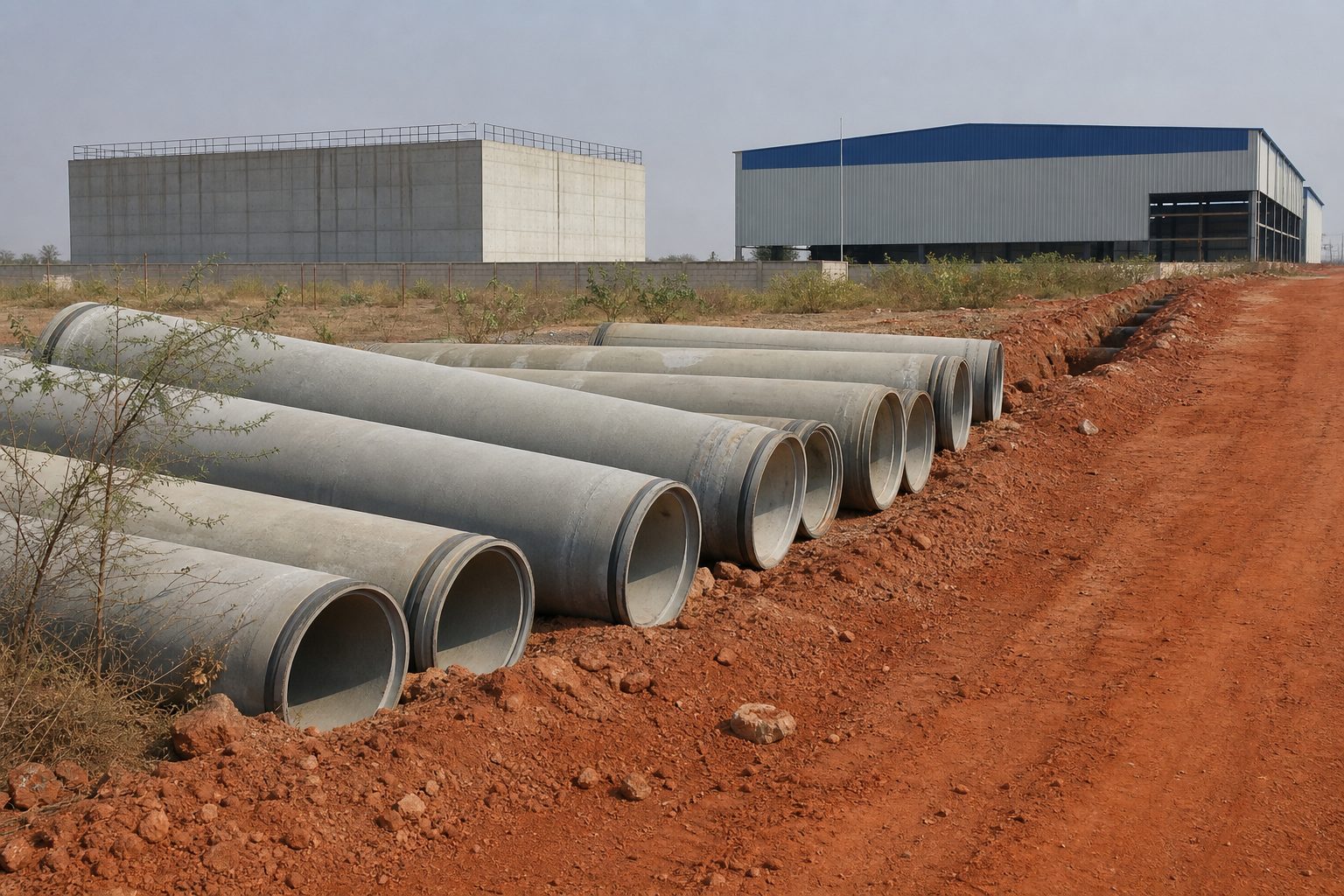
Nandyal factories dump waste untreated. One plant a shout away from the river has built a canal into the Kundu. The card does not name the plant. This desk will not invent a factory to fill a caption. Autonagar waste also enters. Nine streams, including Paleru and Chamakalva, join the Kundu. Nandyal municipality sends 30 MLD of sewage straight in. Thirty million litres a day is a municipal figure. Straight in is the verb. It is not a treated-outfall sentence.
Rules on the card are specific. Factory waste should be treated on site and used in the plant garden, or only non-hazardous treated water reused. That is not happening. A rule that is not happening is still a rule. It is not a fine. It is not a closure order. This desk has neither on the file and will not print either.
Seven Combined Protected Water Supply schemes depend on the Kundu. The card lists six names under those seven schemes: Rupanagudi, Mayaluru, Tanguturu, Kovelakuntla, Lingala, Bandiatmakur. Six names. Seven schemes. About 60,000 people. This desk will not invent the seventh name. People said the treated water still fails standards. That is their sentence. It is not a laboratory sheet this desk has seen.
The Pollution Control Board samples monthly at Udumalpuram. Dissolved oxygen should be at least 4 milligrams per litre. Along the Kundu it is a problem. At Udumalpuram, Togarchedu, Madduru, Uyyalawada, Kovelakuntla and Gospad the reading is as low as 3.5 mg/L. 3.89 mg/L is also cited at one stretch. 4 is the line. 3.5 and 3.89 are the readings under it. A monthly sample at one station is not a daily map of the whole river. It is the official number the card gives.
Coliform in typical sewage averages 600–1,000 CFU. The Board said stretches are crossing 1,100–1,200. Crossing is the Board’s verb. It is a contamination sentence, not a named factory’s confession.
The filing is 21 August 2026, 05:55 IST, Nandyal town. What this desk will not do is name a plant, print a penalty, or write that a unit has been sealed. Those extras are not here. The honest picture is four villages with dead fish, green and stinking water, rashes on contact, an unnamed canal into the river, Autonagar waste, nine joining streams, 30 MLD of municipal sewage, a reuse rule that is not being followed, seven schemes and six listed names for about 60,000 people, and dissolved oxygen that is being read below 4 mg/L.
A river that feeds drinking schemes cannot also be a canal for untreated waste and remain only a colour story. The Kundu is both in this file. Until a named factory, a fine, or a closure order enters the public record, the facts stop at the fish, the 30 MLD, the 3.5 mg/L, and the 1,100–1,200 coliform stretches.

Comments