Unnati was an interest-free loan for SC/ST women. About ₹60 lakh is described as having left the list.
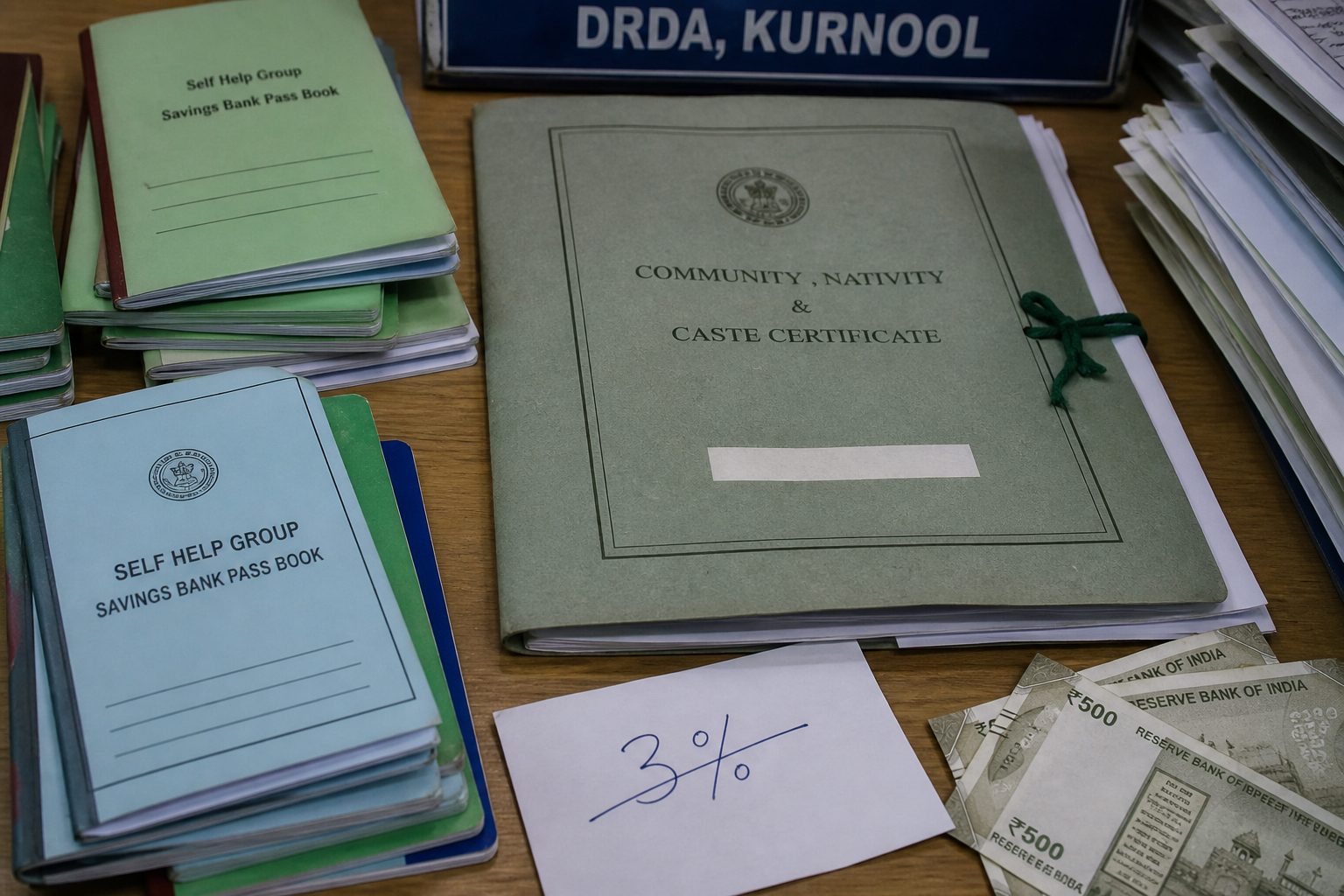
Unnati was written as an interest-free livelihood loan for Scheduled Caste and Scheduled Tribe women in self-help groups. The band is ₹50,000 to ₹3 lakh. The audit now sitting at the Kurnool Collectorate is about the names on the certificates, not about a court that has convicted anyone.
The filing is 21 August 2026, 06:08 IST. What follows is audit language and allegation language. This desk will not turn either into a finding.
Some self-help group leaders and District Rural Development Agency–Velugu staff, the card says, used caste certificates in poor women’s names. Book-keepers, cluster coordinators and assistant project managers allegedly took a 3 percent commission and then split the take. Three percent is the figure on the card. Split is the verb on the card. Neither sentence names a village. Neither sentence names an accused. This desk will not supply those silences.
In undivided Kurnool, from 2014-15 to 2024-25, about ₹60 lakh is described as having been diverted. Recovery so far is not even ₹10 lakh. About, and not even — those are the hedges the file itself uses. ₹60 lakh over a decade is the diversion band. ₹10 lakh is the recovery ceiling that has not been reached. This desk will not invent a year-wise table, a mandal list, or a recovered rupee that is not on the card.
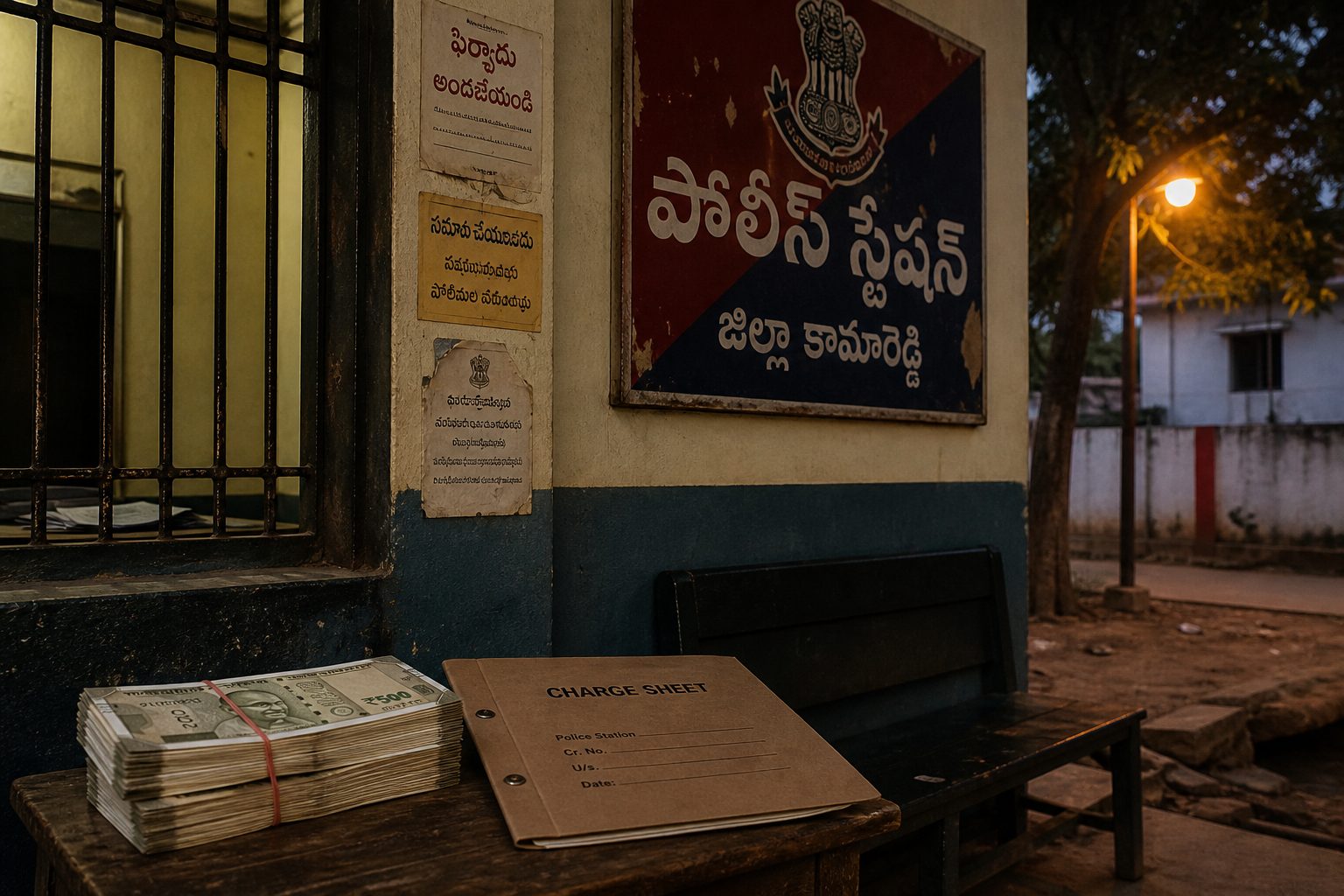
Some Velugu staff, the same filing says, used beneficiary names themselves. That is an allegation about staff, not a charge sheet. It sits beside another allegation: that second-rung YSRCP local leaders took interest-free loans in the names of women in family self-help groups, and that DRDA officers were pressured to accept unauthenticated caste certificates. Reported allegations. No leader is named. No officer is named. No court has, in these facts, written a conviction. A party label without a person is not a person.
The coalition’s response, dated to 2026-27, is a tightening of the same scheme, not a trial. A caste certificate is mandatory. The Society for Elimination of Rural Poverty wants a biometric before the loan and again after disbursal. Monthly repayment is to keep the interest-free benefit. Priority is to go to single women and to persons with disability. The age cap is under 60. There is to be no prior loan from other schemes. Those are the new gates. They are not a government order inventing a prosecution count. This desk has no new GO number on the card and will not print one.
Unnati remains a livelihood instrument. ₹50,000 to ₹3 lakh remains the band. What the audit has put on the public table is a decade, a district that was still undivided for that decade, about ₹60 lakh said to have been diverted, recovery that has not reached ₹10 lakh, a 3 percent commission allegation, staff said to have used beneficiary names, and a political-pressure allegation without a named accused.
A reader who wants a village list will have to wait for a paper that contains one. A reader who wants a convicted name will have to wait for a court. This desk’s job on 21 August is narrower. It is to keep the scheme, the rupee band, the decade, the two rupee figures, the 3 percent, the biometric-and-repayment gates for 2026-27, and to refuse the rest.
These are audit allegations. They will remain allegations until a court says otherwise. The women the scheme was written for are still the women the scheme names. The certificates, the card says, were not always theirs.











Comments