
The Supreme Court has put a tap and a switch on large-scale waste. Both come back only with a certificate.
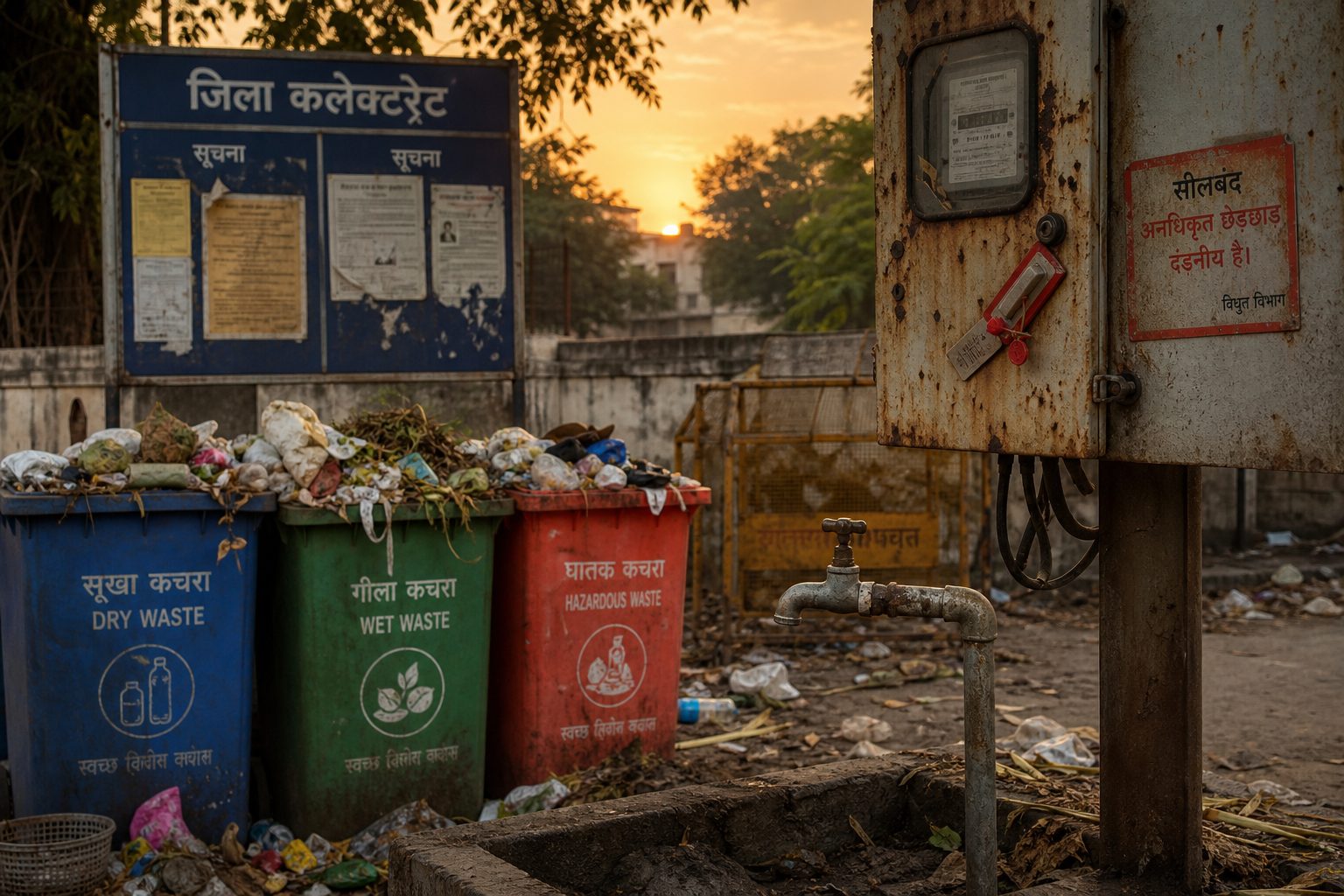
The Supreme Court has told district collectors to treat water and electricity as levers on waste. Cut them when large-scale waste is being generated and the warning is ignored. Restore them only when a certificate says the waste has been handled.
The bench is Justice S.V.N. Bhatti and Justice N.V. Anjaria. The direction is nationwide. It is a court direction as reported, not a conviction of any named factory, colony or city. This desk has no city list on the card and no fine amount. It will not invent either.
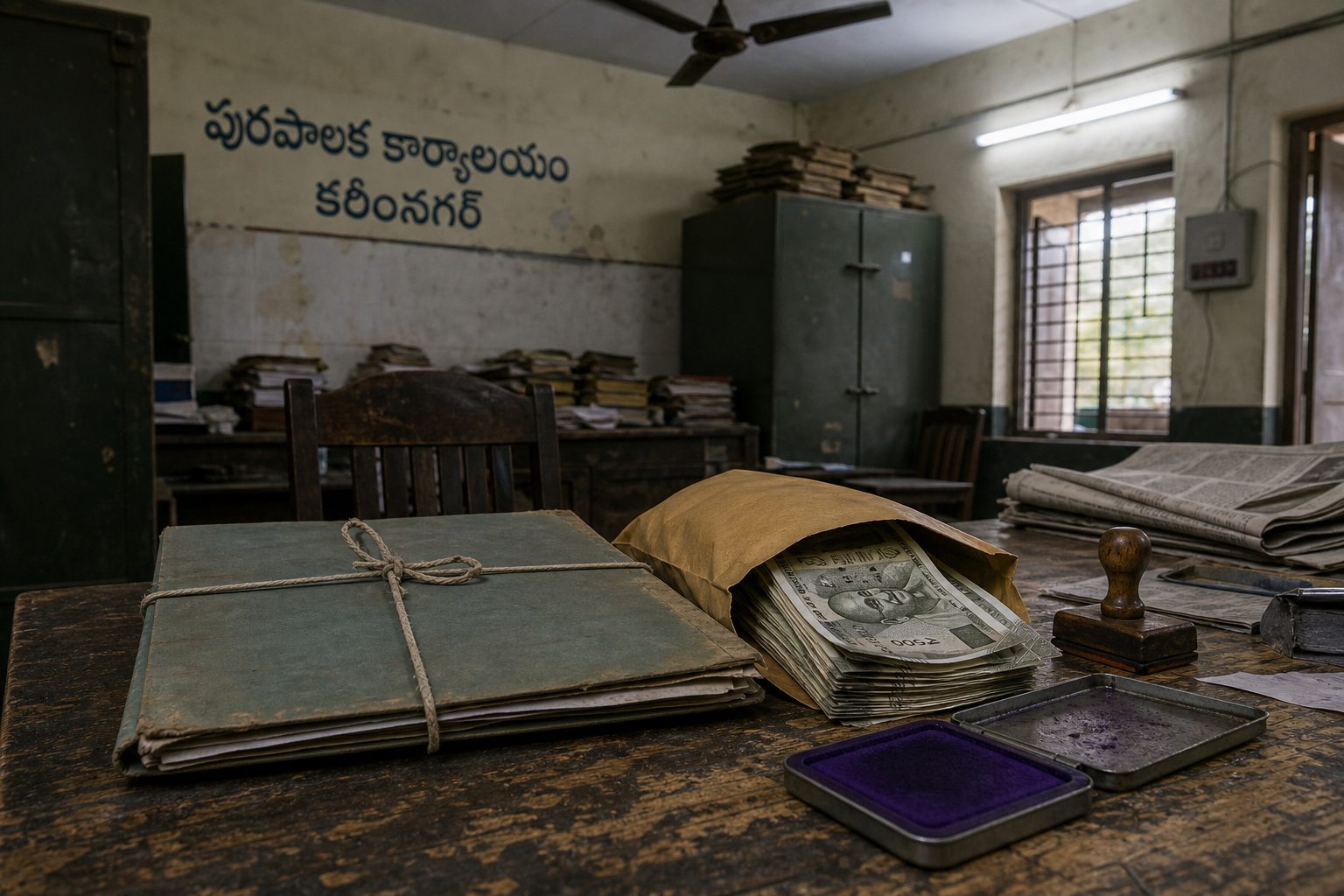
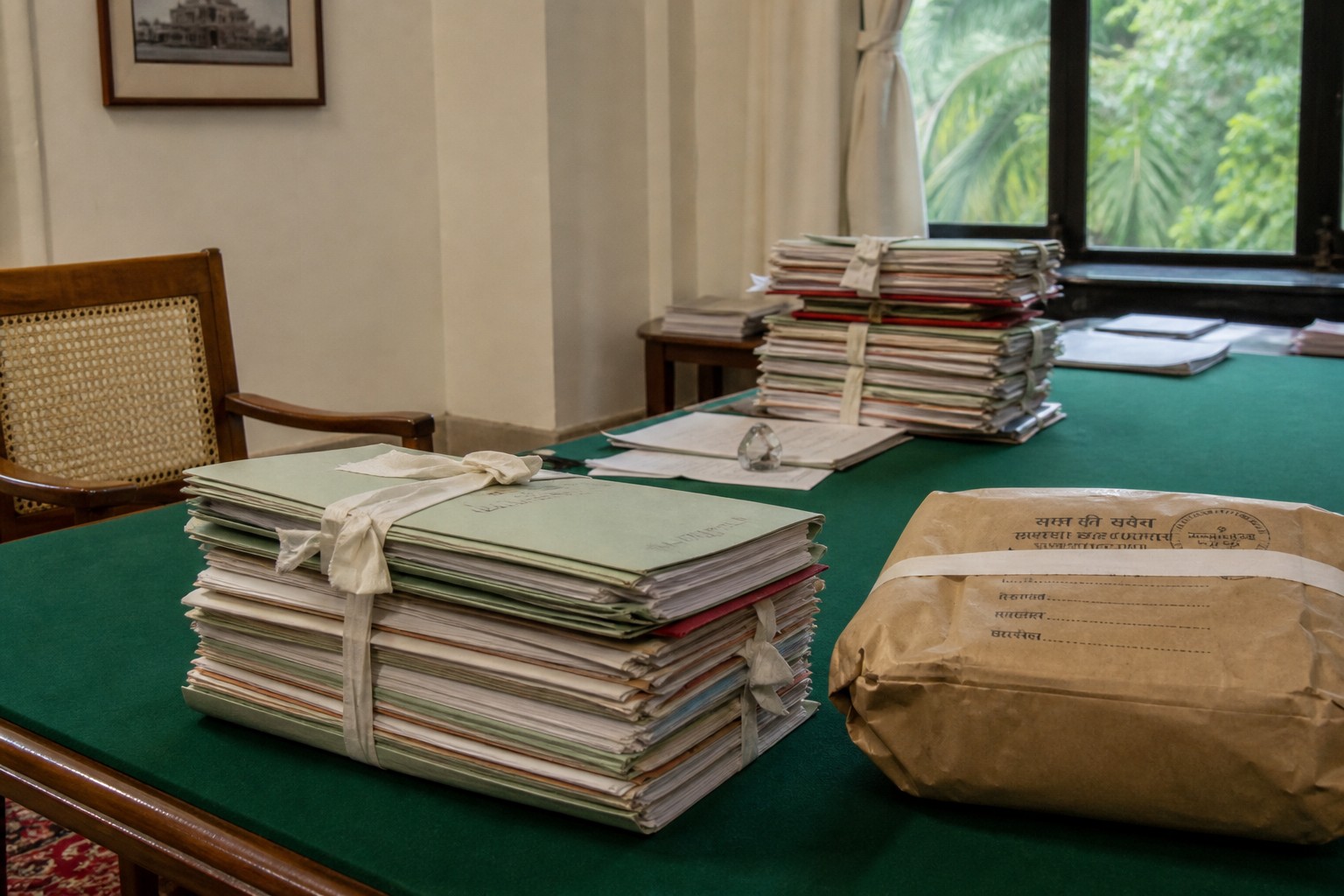
Collectors have six weeks. In that time they must consult local bodies and identify who in their district generates waste on a large scale. Identification is the first paper. The cut is not the first paper. A collector who cannot name the large generators cannot honestly switch them off.
The rules named on the card are the Solid Waste Management Rules-2026. Collectors must explain the consequences of not implementing them. They must warn about water and power cuts. Then they must cut if the warning is ignored. Explain, warn, cut. That is the sequence the court has put on the collector. It is not a midnight disconnection without a notice in these facts.
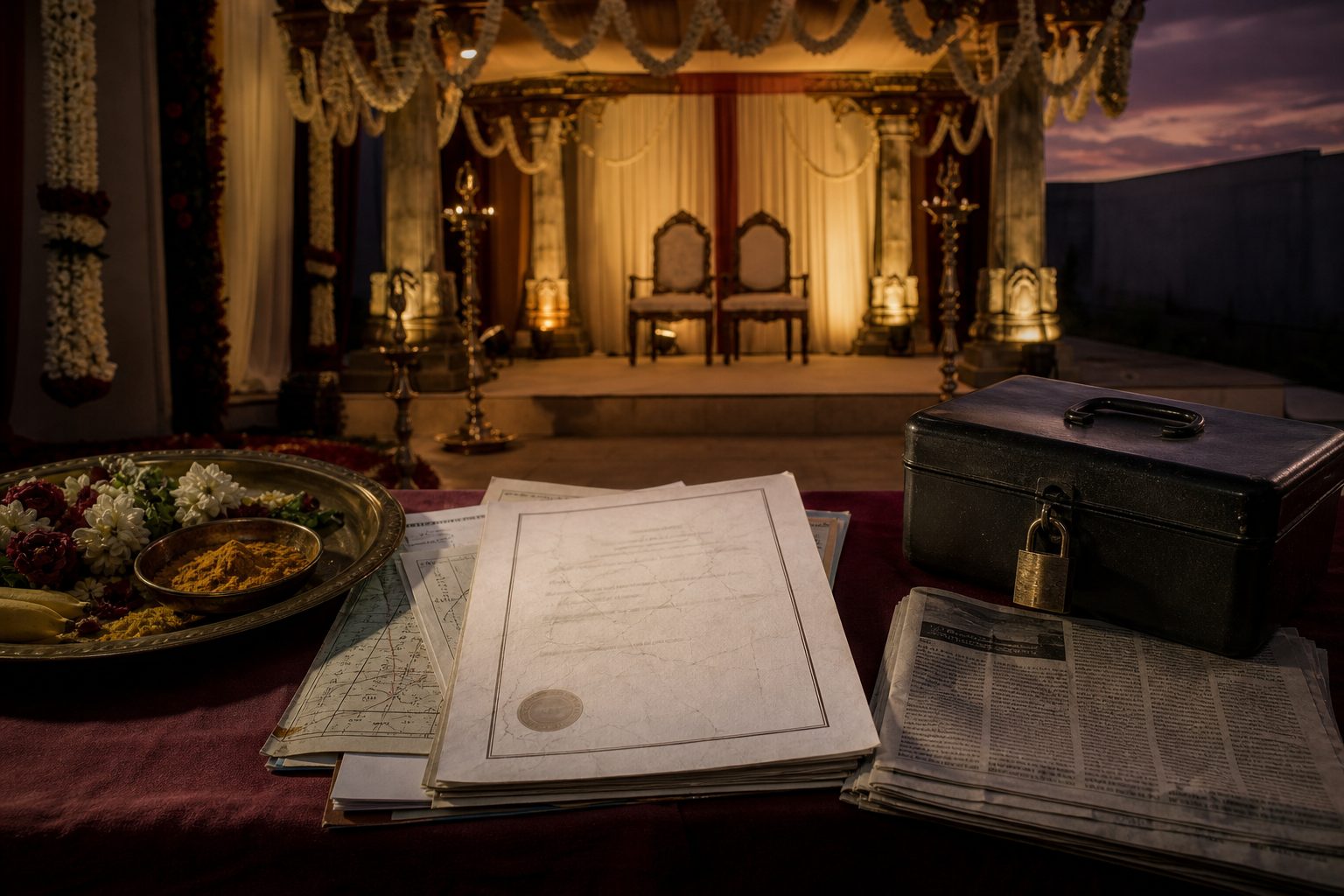
Those two services come back only after a certificate that the waste has been handled. A certificate is a written closing of the breach. Until that paper exists, the tap and the switch stay off. The court has not, in the facts held here, named the officer who signs the certificate. This desk will not appoint one.
The orders are to be translated into all regional languages and distributed. A direction that stays in English in a district that does not read English is not a direction that has arrived. Translation is part of the enforcement, not a courtesy.
Elected representatives of gram panchayats, municipalities and corporations are to be made partners. The court has not treated this as a collector-only file. A sarpanch, a municipal chair, a corporator — those are the local names the order wants in the room. Partnership is not a veto. It is a way of making the warning travel.
Students are to be trained first, and through them parents are to be alerted. That sentence sits beside the cut, not instead of it. A school lesson on waste is the long route. A disconnected meter is the short one. The bench has asked for both.
What this direction is not, on the public card, is a named raid. It is not a sealed list of bulk generators in Delhi, or Mumbai, or a Rayalaseema town. It is not a rupee penalty. Collectors who publish those extras before they have done the six-week identification will be writing ahead of the order.
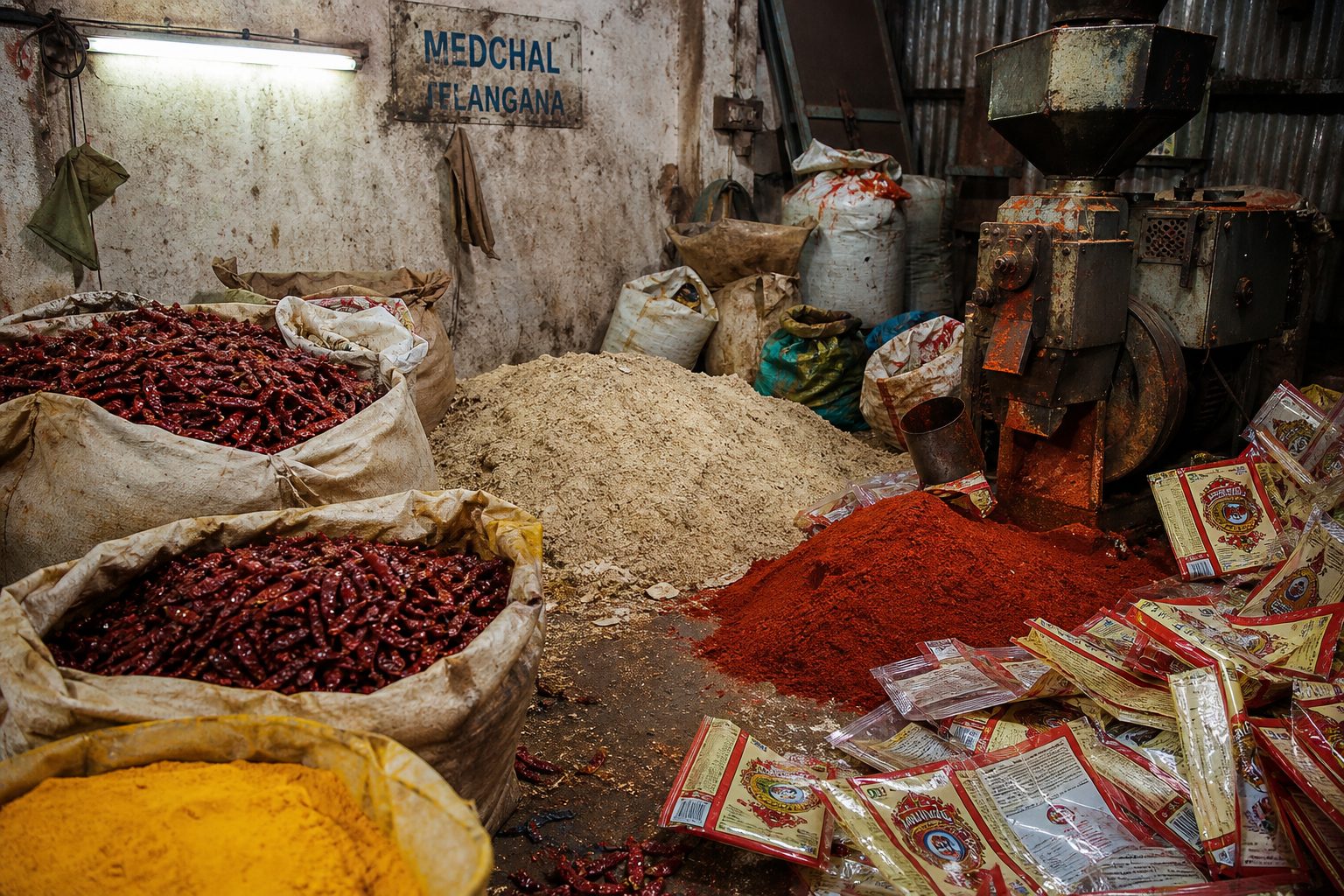
Large-scale waste, in the language of the card, is generated by persons and organisations. Both words are there. A household that is not large-scale is not, in this sentence, the target. An organisation that is large-scale is. The collector has to draw that line with the local body in six weeks.
The filing on the public card is 21 August 2026, Delhi. The court has spoken. The next verbs belong to collectors: consult, identify, translate, explain, warn. Only after those verbs comes the cut. Only after the certificate comes the restoration.
A tap and a switch are crude instruments. The bench has chosen them because the Rules-2026 were not, in its reading, implementing themselves. Crude is not the same as casual. The warning has to come first. The certificate has to come last. Between those two papers, a large generator can lose water and power. That is the whole of the order this desk will print.




Comments