The Working Committee kept two stanzas. The Home Minister called that anti-national.
The Congress Working Committee met on Wednesday and drew a line through a song. On Thursday the Union Home Minister called that line anti-national.
On 19 August 2026 the CWC said the party would sing only the first two stanzas of Vande Mataram at its programmes. The citation it used was 1937 — the AICC and the CWC of that year. That is the party’s public reason. It is a historical reference, not a music lesson. The Working Committee did not, in the facts this desk holds, issue a longer quotation than that citation.
Amit Shah answered on 20 August. He called the CWC move “anti-national.” He said the 1937 split of the song was done for “Muslim appeasement” and that the split laid the foundation for Partition. He said the Bharatiya Janata Party would take the fight to the streets and to the legislatures. Those are the Home Minister’s sentences. This desk will not add a flourish he did not speak.
BJP president Nitin Nabin put a second stamp on the same morning. Congress, he said, had formalised an “insult.” A Working Committee resolution is, in his reading, not an internal hymn sheet. It is a public slight that has now been written down.
The week around those sentences is not only a culture quarrel. Parliament’s Monsoon Session has already passed the Prevention of Insults to National Honour (Amendment) Act, 2026. The amendment makes it a criminal offence to attempt to stop or prevent the singing or playing of Vande Mataram. A party that confines itself to two stanzas and a statute that criminalises the stopping of the song are now in the same fortnight. They are not the same act. One is a programme instruction. The other is a penal line. The Home Minister’s “anti-national” tries to weld them. The CWC’s 1937 citation tries to keep them apart.
It is the song’s 150th year. Anniversaries are not arguments, but they are amplifiers. A resolution that might have been a footnote in another year is, in this year, a street text. Shah has said the street and the legislature are where the BJP will carry it. That is a political programme, announced as one.
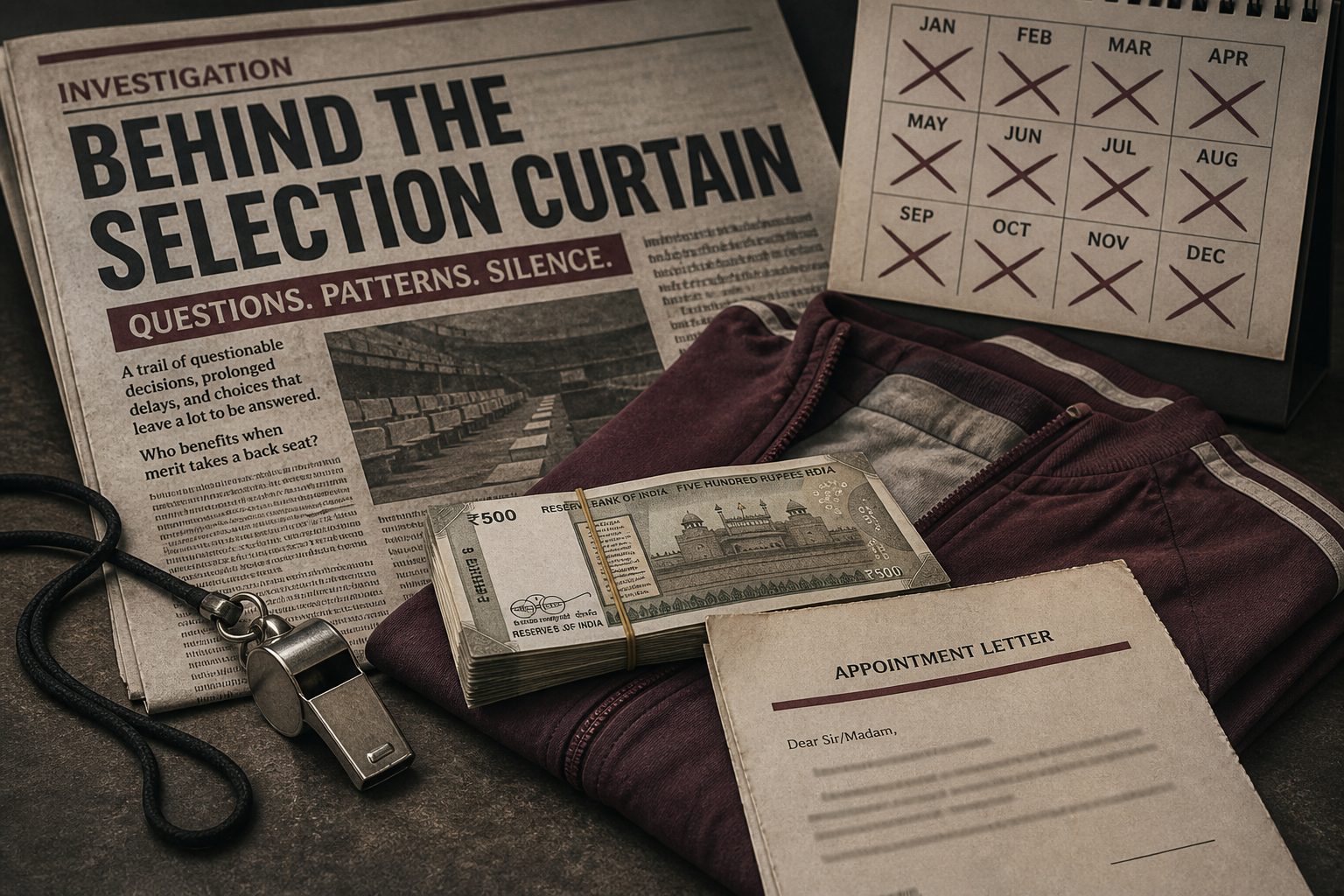
The CWC did not meet only to edit a chorus. The same sitting said the party would expand the paper-leak agitation that Rahul Gandhi has named “Chhatron ki Goonj,” and it took up the Ram temple donation row. Those two files are the other half of Wednesday. A song fight that erases them is a song fight the BJP would prefer. A song fight that pretends they were the only agenda is a Congress comfort. Both were on the table.
What is not on the table, because nobody in these facts supplied it, is a longer extract of the 1937 AICC or CWC text, or a Congress reply to Shah in his own words on Thursday, or a division of votes inside the Working Committee. This desk will not invent those. The public record is the two-stanza instruction, the 1937 citation, Shah’s three charges — anti-national, appeasement, Partition’s foundation — Nabin's “insult,” the promise of streets and Houses, the paper-leak expansion, the temple-donation row, the new criminal amendment, and the 150th year.
Thursday’s news is that the fight has been reopened as a charge of anti-national conduct, by the Union Home Minister, against the principal Opposition’s highest committee, in a year when stopping the song has just been written into criminal law.
Until Congress puts more than a 1937 citation on the record, its defence is a date. Until the BJP takes the date to a legislature and not only to a microphone, its offence is a speech. The song will be sung at programmes in two stanzas or in more. The amendment will wait for a first complaint about someone who tried to stop it. Those are the two machines now running. They were both switched on in the same political week.











Comments