
Police brought him at 11 with altered sensorium. By 12:30 two life terms had no prisoner.
Police brought him into Safdarjung at about 11 in the morning with altered sensorium. By 12:30 a man serving two life sentences was dead.
The hospital named him as 84. VMMC and Safdarjung Hospital in New Delhi recorded that police had brought Sajjan Kumar, a former Congress Member of Parliament, in a state of altered consciousness. Doctors tried resuscitation. He died at 12:30 pm on 20 August 2026. The hospital also put on record that he was known to have high blood pressure and Parkinson’s disease, and that he had been admitted several times before. That is the medical statement. It is not a cause of death beyond what the hospital wrote. Altered sensorium is a presentation. It is not a verdict on the heart, the brain, or the jail ward.
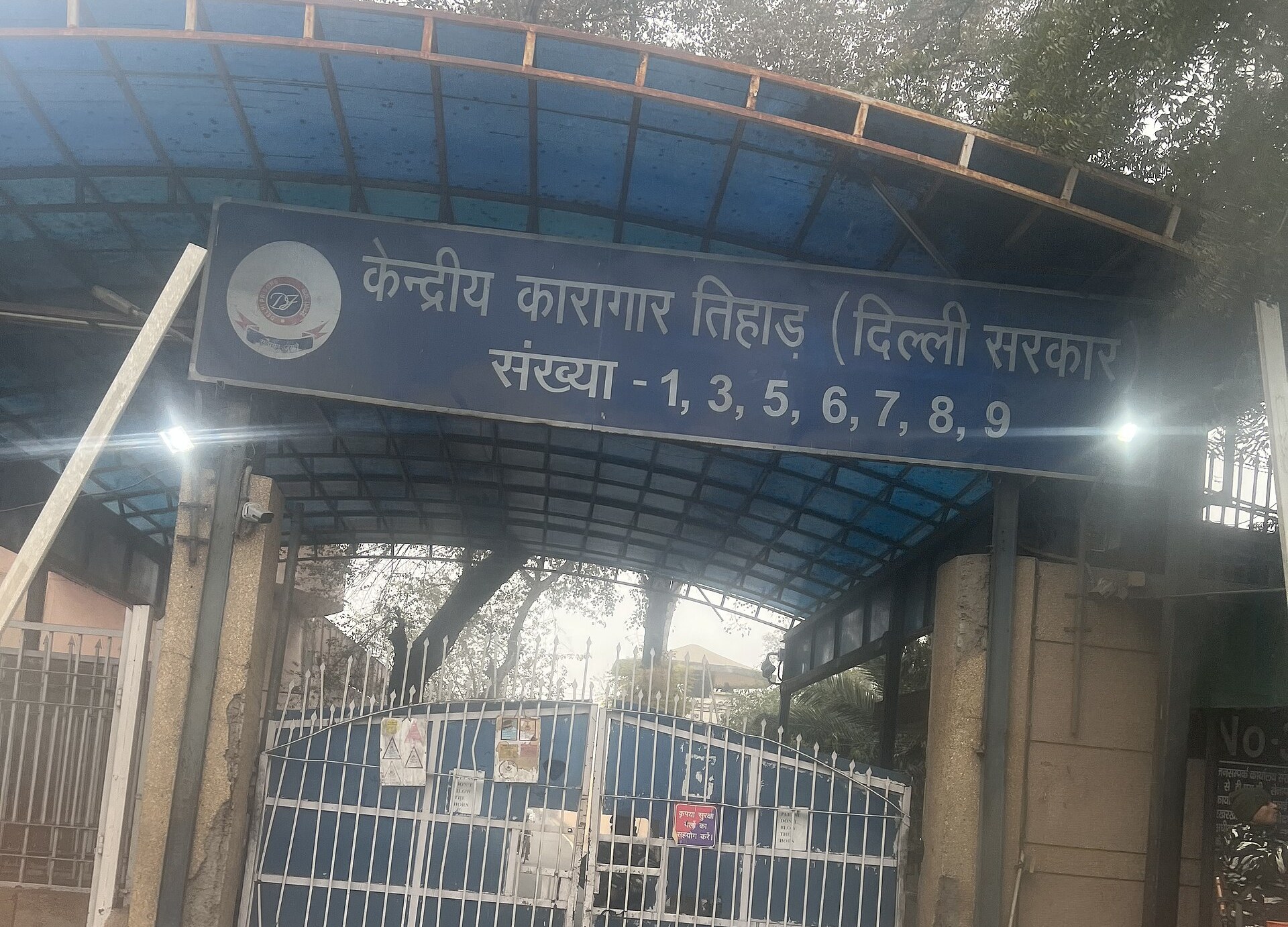
He had come from Tihar. He was lodged there on life sentences in cases from the anti-Sikh violence of 1984. Death in a government hospital does not commute a conviction. It only closes the body. The court file remains a court file.
The first life term that still defines him was written by the Delhi High Court on 17 December 2018. The High Court set aside a trial acquittal and sentenced him to life for the Raj Nagar killings — five Sikhs murdered, a gurdwara burnt. That 2018 holding reversed a lower court that had let him walk.
A Delhi court added a second life term in February 2025. That judgment was for the murders of Jaswant Singh and his son Tarundeep Singh at Saraswati Vihar on 1 November 1984. Two families. Two files. Two life sentences. He was still a Tihar prisoner when police took him to Safdarjung on Thursday.
Before the courts, there was a commission. The Nanavati Commission recorded that there was “credible material” against him and that he was “probably involved.” Those are the Commission’s phrases. They are not a conviction. The convictions came later, from a High Court and then from a Delhi court, on named killings.
He had been a three-time Lok Sabha member from Outer Delhi. After the 2018 conviction he resigned from the Congress. A former MP can die in a hospital. A convict still dies as a convict if the sentence has not been set aside.
On the day he died, the Supreme Court was listed to hear a parole plea. The listing is part of Thursday’s public record. The hearing did not have to produce a parole. Death arrived first. A plea that a prisoner be let out for a time is not an acquittal. It is a request that, on Thursday, the man did not live to argue.
There will be attempts to turn the death into a full stop on 1984. The hospital notes will not do that work. High blood pressure and Parkinson’s explain why a jail prisoner might be rushed to a tertiary hospital. They do not rewrite Raj Nagar. They do not rewrite Saraswati Vihar. They do not touch the five dead, the burnt gurdwara, or the father and son named in the 2025 judgment.
Altered sensorium at 11. Resuscitation. Death at 12:30. Those three hospital sentences are all the medicine the public has been given. Anything more — a named organ failure, a last conversation, a jail-ward narrative — would be invention. This desk will not invent it.
What remains is the ledger the courts already wrote. Life for Raj Nagar. Life for Jaswant Singh and Tarundeep Singh. Tihar. A parole list that became a death list by afternoon. A three-time Outer Delhi MP who left the Congress after 2018 because a High Court had already called him guilty. The Nanavati line still sits in the archive: credible material, probably involved. The High Court and the 2025 court went further than “probably.”
A riot is not closed because one convict has died. The families named in those two judgments did not get a living apology from the prisoner on Thursday. They got a hospital time of death. Until the judgments are stayed or overturned, Sajjan Kumar’s public name is the name on those sentences. Safdarjung has recorded the hour. The courts had already recorded the rest.











Comments