Kurnool’s teenage-pregnancy rate is 13.60 percent. The state figure is 8.8. No child is named here.
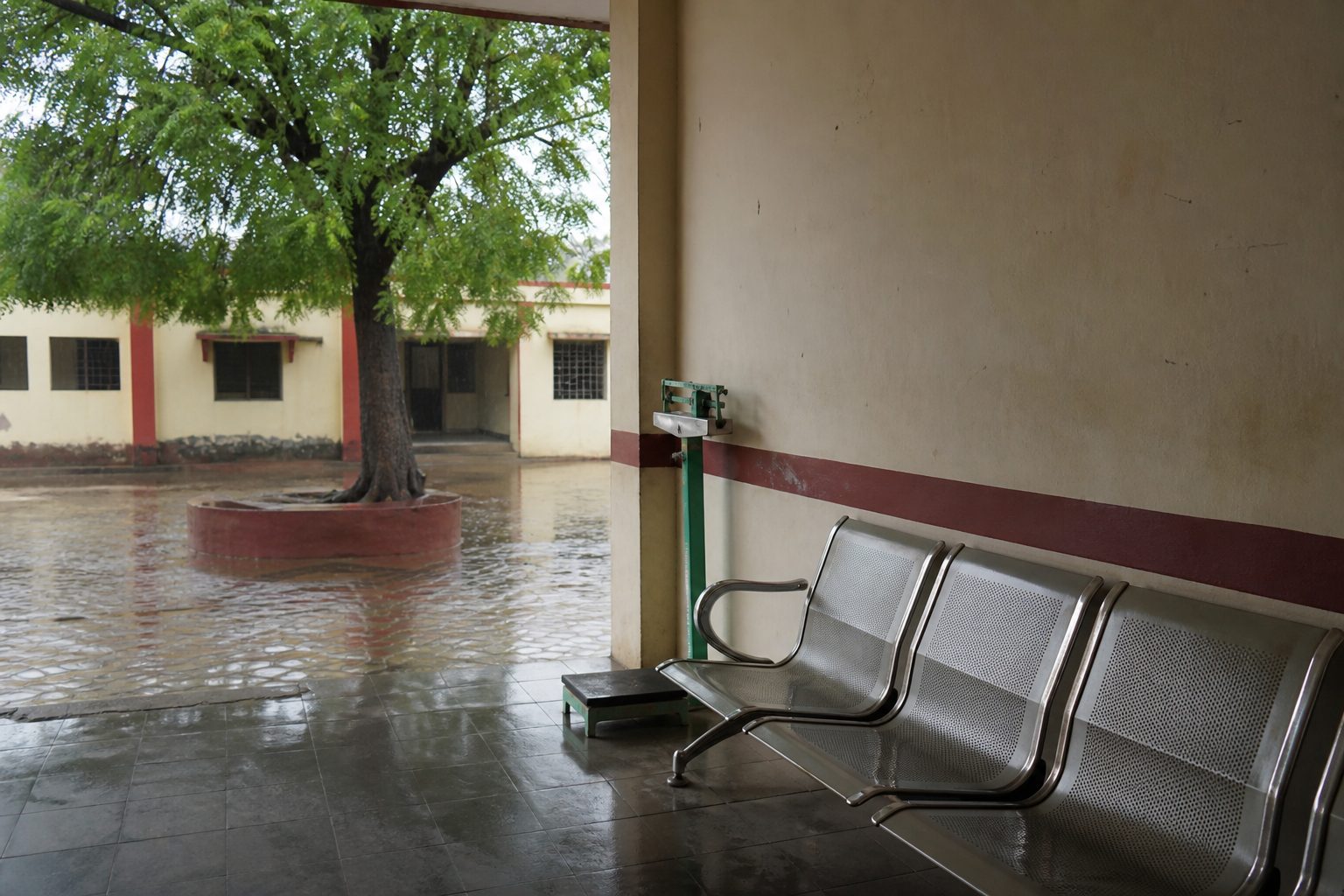
Kurnool district’s teenage-pregnancy rate is 13.60 percent. The state figure is 8.8 percent. The district is second in the state on this card. Those three numbers are the whole of the opening. No child is named in this cutting. No individual adolescent mother is identified. This desk will not do that work.
Annual deliveries in the district are 45,000 to 48,000. Of those, 13 to 14 percent are adolescent girls. From April to 4 August, 16,856 pregnant women were registered at primary health centres and urban primary health centres. 2,178 of them were under 18. A registration is a clinic number. It is not a name. It will stay a number here.
The Patikonda, Adoni, Mantralayam, Alur, Yemmiganur and Kodumur belts sit at 15 to 24 percent. Yemmiganur is spelled Yemmiganur. About 5 percent of maternal deaths each year are teenagers. About is the hedge on the card. Five percent is a share of deaths, not a named ward.
High-risk pregnancies tell a sharper story. Thirty percent of them are teenage, said Dr Snigdha, gynaecology head at the Kurnool government hospital. Typical haemoglobin is 8 to 9. There are more caesareans, and more future illness. Those are a hospital head’s clinical sentences. They are not a photograph of a girl.
Ternekallu primary health centre had 210 registrations in three months, 52 of them adolescent — 24.8 percent, the highest on this cut. Daivandinne primary health centre had 271 registrations, 64 teenagers — 23.6 percent. Polakallu, Krishnagiri, Yemmiganur and Govardhanagiri primary health centres sit at about 20 percent. Four more centres, one band. This May, two adolescent mothers died after delivery — one in a private hospital, one in a government hospital. The card said the main cause was childhood marriage. Two deaths. No names. This desk will not add a village to those two deaths, or a bed number, or a family.
The Chief Minister told collectors six months ago to run field awareness. The Integrated Child Development Services cites 720 awareness meetings and 47 training camps in ten years, but parents in villages are not being reached. Meetings that do not reach a parent are a count, not a campaign that has arrived.
Child-marriage hotspots named on the card: Holagunda, Halaharvi, Kowthalam, Kosigi, Mantralayam, Yemmiganur, Alur, Aspari, C. Belagal, Chippagiri, Atmakur, Velugodu, Chagalamarri, Kolimigundla, Sirivella, Rudravaram, Allagadda. That is a geography of risk. It is not a prosecution list. This desk will not invent a new government order or a count of cases filed.
Village and mandal committees of anganwadi workers, ASHA workers, health workers, women police and auxiliary nurse-midwives exist on paper. On paper is the card’s own limit. A committee that exists on paper is not a committee this desk will describe as having stopped a marriage.
The filing is 20 August 2026, 04:01 IST, updated 05:52. Kurnool district. Health investigation. What this desk will not do is name a minor, identify an adolescent mother, or print a GO that is not here. The honest picture is 13.60 against 8.8, 2,178 under-18 registrations out of 16,856, the 15–24 percent belts, Dr Snigdha’s 30 percent high-risk share, haemoglobin at 8–9, Ternekallu at 24.8 percent, Daivandinne at 23.6, four centres near 20, two unnamed May deaths tied on the card to childhood marriage, 720 meetings and 47 camps that have not reached village parents, and a hotspot list that is still a list.
A rate that is second in the state is not a private sorrow. It is a district number. The children inside that number stay unnamed here. The work that was supposed to reach their parents has, on this file, not reached them.















Comments